 |
eVision .NET API
|
|
eVision .NET API
|
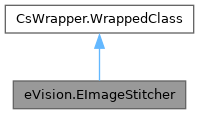
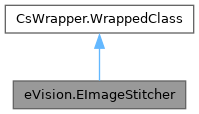
Stitch calibrated images together, forming a seamless panoramic image. More...
Public Member Functions | |
| EImageStitcher () | |
| Constructs a EImageStitcher. | |
| EImageStitcher (eVision.EImageStitcher other) | |
| Copy operator. | |
| void | Stitch (eVision.EImageC24[] images, eVision.EImageC24 output, uint rowCount, uint colCount, eVision.EStitchingGridOrder gridOrder) |
| Stitch calibrated images together. Stitching happens iteratively from the reference image which defines the overall orientation of the final image. The reference image is automatically inferred after computing matching possibilities. If the images were taken in a grid fashion, the shape of the grid can be referenced by specifying its number of rows and columns. Doing so speeds up the matching process and can improve the result. Specifying a number of rows and columns of zero defaults to not using a grid when matching. When in grid mode, the image as assumed to be taken in the following fashion: | |
| void | Stitch (eVision.EImageC24[] images, eVision.EImageC24 output, uint rowCount, uint colCount) |
| Stitch calibrated images together. Stitching happens iteratively from the reference image which defines the overall orientation of the final image. The reference image is automatically inferred after computing matching possibilities. If the images were taken in a grid fashion, the shape of the grid can be referenced by specifying its number of rows and columns. Doing so speeds up the matching process and can improve the result. Specifying a number of rows and columns of zero defaults to not using a grid when matching. When in grid mode, the image as assumed to be taken in the following fashion: | |
| void | Stitch (eVision.EImageC24[] images, eVision.EImageC24 output, uint rowCount) |
| Stitch calibrated images together. Stitching happens iteratively from the reference image which defines the overall orientation of the final image. The reference image is automatically inferred after computing matching possibilities. If the images were taken in a grid fashion, the shape of the grid can be referenced by specifying its number of rows and columns. Doing so speeds up the matching process and can improve the result. Specifying a number of rows and columns of zero defaults to not using a grid when matching. When in grid mode, the image as assumed to be taken in the following fashion: | |
| void | Stitch (eVision.EImageC24[] images, eVision.EImageC24 output) |
| Stitch calibrated images together. Stitching happens iteratively from the reference image which defines the overall orientation of the final image. The reference image is automatically inferred after computing matching possibilities. If the images were taken in a grid fashion, the shape of the grid can be referenced by specifying its number of rows and columns. Doing so speeds up the matching process and can improve the result. Specifying a number of rows and columns of zero defaults to not using a grid when matching. When in grid mode, the image as assumed to be taken in the following fashion: | |
| void | Stitch (eVision.EImageBW8[] images, eVision.EImageBW8 output, uint rowCount, uint colCount, eVision.EStitchingGridOrder gridOrder) |
| Stitch calibrated images together. Stitching happens iteratively from the reference image which defines the overall orientation of the final image. The reference image is automatically inferred after computing matching possibilities. If the images were taken in a grid fashion, the shape of the grid can be referenced by specifying its number of rows and columns. Doing so speeds up the matching process and can improve the result. Specifying a number of rows and columns of zero defaults to not using a grid when matching. When in grid mode, the image as assumed to be taken in the following fashion: | |
| void | Stitch (eVision.EImageBW8[] images, eVision.EImageBW8 output, uint rowCount, uint colCount) |
| Stitch calibrated images together. Stitching happens iteratively from the reference image which defines the overall orientation of the final image. The reference image is automatically inferred after computing matching possibilities. If the images were taken in a grid fashion, the shape of the grid can be referenced by specifying its number of rows and columns. Doing so speeds up the matching process and can improve the result. Specifying a number of rows and columns of zero defaults to not using a grid when matching. When in grid mode, the image as assumed to be taken in the following fashion: | |
| void | Stitch (eVision.EImageBW8[] images, eVision.EImageBW8 output, uint rowCount) |
| Stitch calibrated images together. Stitching happens iteratively from the reference image which defines the overall orientation of the final image. The reference image is automatically inferred after computing matching possibilities. If the images were taken in a grid fashion, the shape of the grid can be referenced by specifying its number of rows and columns. Doing so speeds up the matching process and can improve the result. Specifying a number of rows and columns of zero defaults to not using a grid when matching. When in grid mode, the image as assumed to be taken in the following fashion: | |
| void | Stitch (eVision.EImageBW8[] images, eVision.EImageBW8 output) |
| Stitch calibrated images together. Stitching happens iteratively from the reference image which defines the overall orientation of the final image. The reference image is automatically inferred after computing matching possibilities. If the images were taken in a grid fashion, the shape of the grid can be referenced by specifying its number of rows and columns. Doing so speeds up the matching process and can improve the result. Specifying a number of rows and columns of zero defaults to not using a grid when matching. When in grid mode, the image as assumed to be taken in the following fashion: | |
| void | Stitch (eVision.EImageC24[] images, eVision.ERegion[] regions, eVision.EImageC24 output, uint rowCount, uint colCount, eVision.EStitchingGridOrder gridOrder) |
| Stitch calibrated images together. Stitching happens iteratively from the reference image which defines the overall orientation of the final image. The reference image is automatically inferred after computing matching possibilities. If the images were taken in a grid fashion, the shape of the grid can be referenced by specifying its number of rows and columns. Doing so speeds up the matching process and can improve the result. Specifying a number of rows and columns of zero defaults to not using a grid when matching. When in grid mode, the image as assumed to be taken in the following fashion: | |
| void | Stitch (eVision.EImageC24[] images, eVision.ERegion[] regions, eVision.EImageC24 output, uint rowCount, uint colCount) |
| Stitch calibrated images together. Stitching happens iteratively from the reference image which defines the overall orientation of the final image. The reference image is automatically inferred after computing matching possibilities. If the images were taken in a grid fashion, the shape of the grid can be referenced by specifying its number of rows and columns. Doing so speeds up the matching process and can improve the result. Specifying a number of rows and columns of zero defaults to not using a grid when matching. When in grid mode, the image as assumed to be taken in the following fashion: | |
| void | Stitch (eVision.EImageC24[] images, eVision.ERegion[] regions, eVision.EImageC24 output, uint rowCount) |
| Stitch calibrated images together. Stitching happens iteratively from the reference image which defines the overall orientation of the final image. The reference image is automatically inferred after computing matching possibilities. If the images were taken in a grid fashion, the shape of the grid can be referenced by specifying its number of rows and columns. Doing so speeds up the matching process and can improve the result. Specifying a number of rows and columns of zero defaults to not using a grid when matching. When in grid mode, the image as assumed to be taken in the following fashion: | |
| void | Stitch (eVision.EImageC24[] images, eVision.ERegion[] regions, eVision.EImageC24 output) |
| Stitch calibrated images together. Stitching happens iteratively from the reference image which defines the overall orientation of the final image. The reference image is automatically inferred after computing matching possibilities. If the images were taken in a grid fashion, the shape of the grid can be referenced by specifying its number of rows and columns. Doing so speeds up the matching process and can improve the result. Specifying a number of rows and columns of zero defaults to not using a grid when matching. When in grid mode, the image as assumed to be taken in the following fashion: | |
| void | Stitch (eVision.EImageBW8[] images, eVision.ERegion[] regions, eVision.EImageBW8 output, uint rowCount, uint colCount, eVision.EStitchingGridOrder gridOrder) |
| Stitch calibrated images together. Stitching happens iteratively from the reference image which defines the overall orientation of the final image. The reference image is automatically inferred after computing matching possibilities. If the images were taken in a grid fashion, the shape of the grid can be referenced by specifying its number of rows and columns. Doing so speeds up the matching process and can improve the result. Specifying a number of rows and columns of zero defaults to not using a grid when matching. When in grid mode, the image as assumed to be taken in the following fashion: | |
| void | Stitch (eVision.EImageBW8[] images, eVision.ERegion[] regions, eVision.EImageBW8 output, uint rowCount, uint colCount) |
| Stitch calibrated images together. Stitching happens iteratively from the reference image which defines the overall orientation of the final image. The reference image is automatically inferred after computing matching possibilities. If the images were taken in a grid fashion, the shape of the grid can be referenced by specifying its number of rows and columns. Doing so speeds up the matching process and can improve the result. Specifying a number of rows and columns of zero defaults to not using a grid when matching. When in grid mode, the image as assumed to be taken in the following fashion: | |
| void | Stitch (eVision.EImageBW8[] images, eVision.ERegion[] regions, eVision.EImageBW8 output, uint rowCount) |
| Stitch calibrated images together. Stitching happens iteratively from the reference image which defines the overall orientation of the final image. The reference image is automatically inferred after computing matching possibilities. If the images were taken in a grid fashion, the shape of the grid can be referenced by specifying its number of rows and columns. Doing so speeds up the matching process and can improve the result. Specifying a number of rows and columns of zero defaults to not using a grid when matching. When in grid mode, the image as assumed to be taken in the following fashion: | |
| void | Stitch (eVision.EImageBW8[] images, eVision.ERegion[] regions, eVision.EImageBW8 output) |
| Stitch calibrated images together. Stitching happens iteratively from the reference image which defines the overall orientation of the final image. The reference image is automatically inferred after computing matching possibilities. If the images were taken in a grid fashion, the shape of the grid can be referenced by specifying its number of rows and columns. Doing so speeds up the matching process and can improve the result. Specifying a number of rows and columns of zero defaults to not using a grid when matching. When in grid mode, the image as assumed to be taken in the following fashion: | |
| void | StitchWithReferenceImage (eVision.EImageC24[] images, eVision.EImageC24 output, int referenceImageIndex, uint rowCount, uint colCount, eVision.EStitchingGridOrder gridOrder) |
| Stitch calibrated images together. Stitching happens iteratively from the base image which defines the overall orientation of the final image. The reference image is explicitly given. If the images were taken in a grid fashion, the shape of the grid can be referenced by specifying its number of rows and columns. Doing so speeds up the matching process and can improve the result. Specifying a number of rows and columns of zero defaults to not using a grid when matching. | |
| void | StitchWithReferenceImage (eVision.EImageC24[] images, eVision.EImageC24 output, int referenceImageIndex, uint rowCount, uint colCount) |
| Stitch calibrated images together. Stitching happens iteratively from the base image which defines the overall orientation of the final image. The reference image is explicitly given. If the images were taken in a grid fashion, the shape of the grid can be referenced by specifying its number of rows and columns. Doing so speeds up the matching process and can improve the result. Specifying a number of rows and columns of zero defaults to not using a grid when matching. | |
| void | StitchWithReferenceImage (eVision.EImageC24[] images, eVision.EImageC24 output, int referenceImageIndex, uint rowCount) |
| Stitch calibrated images together. Stitching happens iteratively from the base image which defines the overall orientation of the final image. The reference image is explicitly given. If the images were taken in a grid fashion, the shape of the grid can be referenced by specifying its number of rows and columns. Doing so speeds up the matching process and can improve the result. Specifying a number of rows and columns of zero defaults to not using a grid when matching. | |
| void | StitchWithReferenceImage (eVision.EImageC24[] images, eVision.EImageC24 output, int referenceImageIndex) |
| Stitch calibrated images together. Stitching happens iteratively from the base image which defines the overall orientation of the final image. The reference image is explicitly given. If the images were taken in a grid fashion, the shape of the grid can be referenced by specifying its number of rows and columns. Doing so speeds up the matching process and can improve the result. Specifying a number of rows and columns of zero defaults to not using a grid when matching. | |
| void | StitchWithReferenceImage (eVision.EImageBW8[] images, eVision.EImageBW8 output, int referenceImageIndex, uint rowCount, uint colCount, eVision.EStitchingGridOrder gridOrder) |
| Stitch calibrated images together. Stitching happens iteratively from the base image which defines the overall orientation of the final image. The reference image is explicitly given. If the images were taken in a grid fashion, the shape of the grid can be referenced by specifying its number of rows and columns. Doing so speeds up the matching process and can improve the result. Specifying a number of rows and columns of zero defaults to not using a grid when matching. | |
| void | StitchWithReferenceImage (eVision.EImageBW8[] images, eVision.EImageBW8 output, int referenceImageIndex, uint rowCount, uint colCount) |
| Stitch calibrated images together. Stitching happens iteratively from the base image which defines the overall orientation of the final image. The reference image is explicitly given. If the images were taken in a grid fashion, the shape of the grid can be referenced by specifying its number of rows and columns. Doing so speeds up the matching process and can improve the result. Specifying a number of rows and columns of zero defaults to not using a grid when matching. | |
| void | StitchWithReferenceImage (eVision.EImageBW8[] images, eVision.EImageBW8 output, int referenceImageIndex, uint rowCount) |
| Stitch calibrated images together. Stitching happens iteratively from the base image which defines the overall orientation of the final image. The reference image is explicitly given. If the images were taken in a grid fashion, the shape of the grid can be referenced by specifying its number of rows and columns. Doing so speeds up the matching process and can improve the result. Specifying a number of rows and columns of zero defaults to not using a grid when matching. | |
| void | StitchWithReferenceImage (eVision.EImageBW8[] images, eVision.EImageBW8 output, int referenceImageIndex) |
| Stitch calibrated images together. Stitching happens iteratively from the base image which defines the overall orientation of the final image. The reference image is explicitly given. If the images were taken in a grid fashion, the shape of the grid can be referenced by specifying its number of rows and columns. Doing so speeds up the matching process and can improve the result. Specifying a number of rows and columns of zero defaults to not using a grid when matching. | |
| void | StitchWithReferenceImage (eVision.EImageC24[] images, eVision.ERegion[] regions, eVision.EImageC24 output, int referenceImageIndex, uint rowCount, uint colCount, eVision.EStitchingGridOrder gridOrder) |
| Stitch calibrated images together. Stitching happens iteratively from the base image which defines the overall orientation of the final image. The reference image is explicitly given. If the images were taken in a grid fashion, the shape of the grid can be referenced by specifying its number of rows and columns. Doing so speeds up the matching process and can improve the result. Specifying a number of rows and columns of zero defaults to not using a grid when matching. | |
| void | StitchWithReferenceImage (eVision.EImageC24[] images, eVision.ERegion[] regions, eVision.EImageC24 output, int referenceImageIndex, uint rowCount, uint colCount) |
| Stitch calibrated images together. Stitching happens iteratively from the base image which defines the overall orientation of the final image. The reference image is explicitly given. If the images were taken in a grid fashion, the shape of the grid can be referenced by specifying its number of rows and columns. Doing so speeds up the matching process and can improve the result. Specifying a number of rows and columns of zero defaults to not using a grid when matching. | |
| void | StitchWithReferenceImage (eVision.EImageC24[] images, eVision.ERegion[] regions, eVision.EImageC24 output, int referenceImageIndex, uint rowCount) |
| Stitch calibrated images together. Stitching happens iteratively from the base image which defines the overall orientation of the final image. The reference image is explicitly given. If the images were taken in a grid fashion, the shape of the grid can be referenced by specifying its number of rows and columns. Doing so speeds up the matching process and can improve the result. Specifying a number of rows and columns of zero defaults to not using a grid when matching. | |
| void | StitchWithReferenceImage (eVision.EImageC24[] images, eVision.ERegion[] regions, eVision.EImageC24 output, int referenceImageIndex) |
| Stitch calibrated images together. Stitching happens iteratively from the base image which defines the overall orientation of the final image. The reference image is explicitly given. If the images were taken in a grid fashion, the shape of the grid can be referenced by specifying its number of rows and columns. Doing so speeds up the matching process and can improve the result. Specifying a number of rows and columns of zero defaults to not using a grid when matching. | |
| void | StitchWithReferenceImage (eVision.EImageBW8[] images, eVision.ERegion[] regions, eVision.EImageBW8 output, int referenceImageIndex, uint rowCount, uint colCount, eVision.EStitchingGridOrder gridOrder) |
| Stitch calibrated images together. Stitching happens iteratively from the base image which defines the overall orientation of the final image. The reference image is explicitly given. If the images were taken in a grid fashion, the shape of the grid can be referenced by specifying its number of rows and columns. Doing so speeds up the matching process and can improve the result. Specifying a number of rows and columns of zero defaults to not using a grid when matching. | |
| void | StitchWithReferenceImage (eVision.EImageBW8[] images, eVision.ERegion[] regions, eVision.EImageBW8 output, int referenceImageIndex, uint rowCount, uint colCount) |
| Stitch calibrated images together. Stitching happens iteratively from the base image which defines the overall orientation of the final image. The reference image is explicitly given. If the images were taken in a grid fashion, the shape of the grid can be referenced by specifying its number of rows and columns. Doing so speeds up the matching process and can improve the result. Specifying a number of rows and columns of zero defaults to not using a grid when matching. | |
| void | StitchWithReferenceImage (eVision.EImageBW8[] images, eVision.ERegion[] regions, eVision.EImageBW8 output, int referenceImageIndex, uint rowCount) |
| Stitch calibrated images together. Stitching happens iteratively from the base image which defines the overall orientation of the final image. The reference image is explicitly given. If the images were taken in a grid fashion, the shape of the grid can be referenced by specifying its number of rows and columns. Doing so speeds up the matching process and can improve the result. Specifying a number of rows and columns of zero defaults to not using a grid when matching. | |
| void | StitchWithReferenceImage (eVision.EImageBW8[] images, eVision.ERegion[] regions, eVision.EImageBW8 output, int referenceImageIndex) |
| Stitch calibrated images together. Stitching happens iteratively from the base image which defines the overall orientation of the final image. The reference image is explicitly given. If the images were taken in a grid fashion, the shape of the grid can be referenced by specifying its number of rows and columns. Doing so speeds up the matching process and can improve the result. Specifying a number of rows and columns of zero defaults to not using a grid when matching. | |
| void | StartIncrementalStitching (eVision.EImageType imageType, uint rowCount, uint colCount, eVision.EStitchingGridOrder gridOrder) |
| Puts the stitcher into incremental stitching mode. During incremental stitching mode, it is assumed that the time between two image captures is significant. It essentially separates EImageStitcher.Stitch into multiple function calls. Thus, it is possible to distribute some parts of the stitching computation between image captures by asynchronously calling EImageStitcher.ProcessImage. Simple stitching mode happens in this order: | |
| void | StartIncrementalStitching (eVision.EImageType imageType, uint rowCount, uint colCount) |
| Puts the stitcher into incremental stitching mode. During incremental stitching mode, it is assumed that the time between two image captures is significant. It essentially separates EImageStitcher.Stitch into multiple function calls. Thus, it is possible to distribute some parts of the stitching computation between image captures by asynchronously calling EImageStitcher.ProcessImage. Simple stitching mode happens in this order: | |
| void | StartIncrementalStitching (eVision.EImageType imageType, uint rowCount) |
| Puts the stitcher into incremental stitching mode. During incremental stitching mode, it is assumed that the time between two image captures is significant. It essentially separates EImageStitcher.Stitch into multiple function calls. Thus, it is possible to distribute some parts of the stitching computation between image captures by asynchronously calling EImageStitcher.ProcessImage. Simple stitching mode happens in this order: | |
| void | StartIncrementalStitching (eVision.EImageType imageType) |
| Puts the stitcher into incremental stitching mode. During incremental stitching mode, it is assumed that the time between two image captures is significant. It essentially separates EImageStitcher.Stitch into multiple function calls. Thus, it is possible to distribute some parts of the stitching computation between image captures by asynchronously calling EImageStitcher.ProcessImage. Simple stitching mode happens in this order: | |
| void | ProcessImage (eVision.EImageC24 image) |
| When in incremental stitching mode, EImageStitcher.ProcessImage can be called multiple times to successively add image to the final image. Significant part of the computation happens in EImageStitcher.ProcessImage. EImageStitcher.ProcessImage is a blocking function. Handling the asynchronousity or any kind of multi-threading is left to the user. EImageStitcher.ProcessImage is not multi-thread safe. | |
| void | ProcessImage (eVision.EImageBW8 image) |
| When in incremental stitching mode, EImageStitcher.ProcessImage can be called multiple times to successively add image to the final image. Significant part of the computation happens in EImageStitcher.ProcessImage. EImageStitcher.ProcessImage is a blocking function. Handling the asynchronousity or any kind of multi-threading is left to the user. EImageStitcher.ProcessImage is not multi-thread safe. | |
| void | ProcessImage (eVision.EImageC24 image, eVision.ERegion region) |
| When in incremental stitching mode, EImageStitcher.ProcessImage can be called multiple times to successively add image to the final image. Significant part of the computation happens in EImageStitcher.ProcessImage. EImageStitcher.ProcessImage is a blocking function. Handling the asynchronousity or any kind of multi-threading is left to the user. EImageStitcher.ProcessImage is not multi-thread safe. | |
| void | ProcessImage (eVision.EImageBW8 image, eVision.ERegion region) |
| When in incremental stitching mode, EImageStitcher.ProcessImage can be called multiple times to successively add image to the final image. Significant part of the computation happens in EImageStitcher.ProcessImage. EImageStitcher.ProcessImage is a blocking function. Handling the asynchronousity or any kind of multi-threading is left to the user. EImageStitcher.ProcessImage is not multi-thread safe. | |
| void | FinalizeIncrementalStitching (eVision.EImageC24 output) |
| Finalizes the stitching. Computes and returns the final image. | |
| void | FinalizeIncrementalStitching (eVision.EImageBW8 output) |
| Finalizes the stitching. Computes and returns the final image. | |
| void | DrawPoints (eVision.EDrawAdapter drawAdapter, int n) |
| Draw features points used to stitch the n-th image. Must be called after a stitching. This method does not draw the n-th image. It has to be done beforehand. | |
| void | DrawTransformations (eVision.EDrawAdapter drawAdapter, float zoomX, float zoomY, float panX, float panY) |
| For each stitched patch, draw a rectangle with the related transformation applied. Must be called after a stitching. This method doesn't draw the final image. It has to be done beforehand. | |
| void | DrawTransformations (eVision.EDrawAdapter drawAdapter, float zoomX, float zoomY, float panX) |
| For each stitched patch, draw a rectangle with the related transformation applied. Must be called after a stitching. This method doesn't draw the final image. It has to be done beforehand. | |
| void | DrawTransformations (eVision.EDrawAdapter drawAdapter, float zoomX, float zoomY) |
| For each stitched patch, draw a rectangle with the related transformation applied. Must be called after a stitching. This method doesn't draw the final image. It has to be done beforehand. | |
| void | DrawTransformations (eVision.EDrawAdapter drawAdapter, float zoomX) |
| For each stitched patch, draw a rectangle with the related transformation applied. Must be called after a stitching. This method doesn't draw the final image. It has to be done beforehand. | |
| void | DrawTransformations (eVision.EDrawAdapter drawAdapter) |
| For each stitched patch, draw a rectangle with the related transformation applied. Must be called after a stitching. This method doesn't draw the final image. It has to be done beforehand. | |
| double[] | GetMatrix (int n) |
| Returns the affine matrix applied to input image n-th to compose the final image. The returned vector is a row-ordered 3x2 matrix Must be called after a successful stitching. | |
| void | Save (string path) |
| Saves the EImageStitcher. The given ESerializer must have been created for writing. | |
| void | Save (eVision.ESerializer serializer) |
| Saves the EImageStitcher. The given ESerializer must have been created for writing. | |
| void | Load (string path) |
| Loads the EImageStitcher. The given ESerializer must have been created for reading. | |
| void | Load (eVision.ESerializer serializer) |
| Loads the EImageStitcher. The given ESerializer must have been created for reading. | |
| void | LearnBW8 (eVision.EImageBW8[] images, uint rowCount, uint colCount, eVision.EStitchingGridOrder gridOrder) |
| Computes the necessary transformations to apply on each input images. Subsequent calls to the Stitch methods will use these transformations instead of re-computing them. Thus, they are expected to be faster. | |
| void | LearnBW8 (eVision.EImageBW8[] images, uint rowCount, uint colCount) |
| Computes the necessary transformations to apply on each input images. Subsequent calls to the Stitch methods will use these transformations instead of re-computing them. Thus, they are expected to be faster. | |
| void | LearnBW8 (eVision.EImageBW8[] images, uint rowCount) |
| Computes the necessary transformations to apply on each input images. Subsequent calls to the Stitch methods will use these transformations instead of re-computing them. Thus, they are expected to be faster. | |
| void | LearnBW8 (eVision.EImageBW8[] images) |
| Computes the necessary transformations to apply on each input images. Subsequent calls to the Stitch methods will use these transformations instead of re-computing them. Thus, they are expected to be faster. | |
| void | LearnBW8 (eVision.EImageBW8[] images, eVision.ERegion[] regions, uint rowCount, uint colCount, eVision.EStitchingGridOrder gridOrder) |
| Computes the necessary transformations to apply on each input images. Subsequent calls to the Stitch methods will use these transformations instead of re-computing them. Thus, they are expected to be faster. | |
| void | LearnBW8 (eVision.EImageBW8[] images, eVision.ERegion[] regions, uint rowCount, uint colCount) |
| Computes the necessary transformations to apply on each input images. Subsequent calls to the Stitch methods will use these transformations instead of re-computing them. Thus, they are expected to be faster. | |
| void | LearnBW8 (eVision.EImageBW8[] images, eVision.ERegion[] regions, uint rowCount) |
| Computes the necessary transformations to apply on each input images. Subsequent calls to the Stitch methods will use these transformations instead of re-computing them. Thus, they are expected to be faster. | |
| void | LearnBW8 (eVision.EImageBW8[] images, eVision.ERegion[] regions) |
| Computes the necessary transformations to apply on each input images. Subsequent calls to the Stitch methods will use these transformations instead of re-computing them. Thus, they are expected to be faster. | |
| void | LearnC24 (eVision.EImageC24[] images, uint rowCount, uint colCount, eVision.EStitchingGridOrder gridOrder) |
| Computes the necessary transformations to apply on each input images. Subsequent calls to the Stitch methods will use these transformations instead of re-computing them. Thus, they are expected to be faster. | |
| void | LearnC24 (eVision.EImageC24[] images, uint rowCount, uint colCount) |
| Computes the necessary transformations to apply on each input images. Subsequent calls to the Stitch methods will use these transformations instead of re-computing them. Thus, they are expected to be faster. | |
| void | LearnC24 (eVision.EImageC24[] images, uint rowCount) |
| Computes the necessary transformations to apply on each input images. Subsequent calls to the Stitch methods will use these transformations instead of re-computing them. Thus, they are expected to be faster. | |
| void | LearnC24 (eVision.EImageC24[] images) |
| Computes the necessary transformations to apply on each input images. Subsequent calls to the Stitch methods will use these transformations instead of re-computing them. Thus, they are expected to be faster. | |
| void | LearnC24 (eVision.EImageC24[] images, eVision.ERegion[] regions, uint rowCount, uint colCount, eVision.EStitchingGridOrder gridOrder) |
| Computes the necessary transformations to apply on each input images. Subsequent calls to the Stitch methods will use these transformations instead of re-computing them. Thus, they are expected to be faster. | |
| void | LearnC24 (eVision.EImageC24[] images, eVision.ERegion[] regions, uint rowCount, uint colCount) |
| Computes the necessary transformations to apply on each input images. Subsequent calls to the Stitch methods will use these transformations instead of re-computing them. Thus, they are expected to be faster. | |
| void | LearnC24 (eVision.EImageC24[] images, eVision.ERegion[] regions, uint rowCount) |
| Computes the necessary transformations to apply on each input images. Subsequent calls to the Stitch methods will use these transformations instead of re-computing them. Thus, they are expected to be faster. | |
| void | LearnC24 (eVision.EImageC24[] images, eVision.ERegion[] regions) |
| Computes the necessary transformations to apply on each input images. Subsequent calls to the Stitch methods will use these transformations instead of re-computing them. Thus, they are expected to be faster. | |
| void | LearnWithReferenceImageBW8 (eVision.EImageBW8[] images, int referenceImageIndex, uint rowCount, uint colCount, eVision.EStitchingGridOrder gridOrder) |
| See EImageStitcher.LearnBW8 (or EImageStitcher.LearnC24) and EImageStitcher.StitchWithReferenceImage. | |
| void | LearnWithReferenceImageBW8 (eVision.EImageBW8[] images, int referenceImageIndex, uint rowCount, uint colCount) |
| See EImageStitcher.LearnBW8 (or EImageStitcher.LearnC24) and EImageStitcher.StitchWithReferenceImage. | |
| void | LearnWithReferenceImageBW8 (eVision.EImageBW8[] images, int referenceImageIndex, uint rowCount) |
| See EImageStitcher.LearnBW8 (or EImageStitcher.LearnC24) and EImageStitcher.StitchWithReferenceImage. | |
| void | LearnWithReferenceImageBW8 (eVision.EImageBW8[] images, int referenceImageIndex) |
| See EImageStitcher.LearnBW8 (or EImageStitcher.LearnC24) and EImageStitcher.StitchWithReferenceImage. | |
| void | LearnWithReferenceImageBW8 (eVision.EImageBW8[] images, eVision.ERegion[] regions, int referenceImageIndex, uint rowCount, uint colCount, eVision.EStitchingGridOrder gridOrder) |
| See EImageStitcher.LearnBW8 (or EImageStitcher.LearnC24) and EImageStitcher.StitchWithReferenceImage. | |
| void | LearnWithReferenceImageBW8 (eVision.EImageBW8[] images, eVision.ERegion[] regions, int referenceImageIndex, uint rowCount, uint colCount) |
| See EImageStitcher.LearnBW8 (or EImageStitcher.LearnC24) and EImageStitcher.StitchWithReferenceImage. | |
| void | LearnWithReferenceImageBW8 (eVision.EImageBW8[] images, eVision.ERegion[] regions, int referenceImageIndex, uint rowCount) |
| See EImageStitcher.LearnBW8 (or EImageStitcher.LearnC24) and EImageStitcher.StitchWithReferenceImage. | |
| void | LearnWithReferenceImageBW8 (eVision.EImageBW8[] images, eVision.ERegion[] regions, int referenceImageIndex) |
| See EImageStitcher.LearnBW8 (or EImageStitcher.LearnC24) and EImageStitcher.StitchWithReferenceImage. | |
| void | LearnWithReferenceImageC24 (eVision.EImageC24[] images, int referenceImageIndex, uint rowCount, uint colCount, eVision.EStitchingGridOrder gridOrder) |
| See EImageStitcher.LearnBW8 (or EImageStitcher.LearnC24) and EImageStitcher.StitchWithReferenceImage. | |
| void | LearnWithReferenceImageC24 (eVision.EImageC24[] images, int referenceImageIndex, uint rowCount, uint colCount) |
| See EImageStitcher.LearnBW8 (or EImageStitcher.LearnC24) and EImageStitcher.StitchWithReferenceImage. | |
| void | LearnWithReferenceImageC24 (eVision.EImageC24[] images, int referenceImageIndex, uint rowCount) |
| See EImageStitcher.LearnBW8 (or EImageStitcher.LearnC24) and EImageStitcher.StitchWithReferenceImage. | |
| void | LearnWithReferenceImageC24 (eVision.EImageC24[] images, int referenceImageIndex) |
| See EImageStitcher.LearnBW8 (or EImageStitcher.LearnC24) and EImageStitcher.StitchWithReferenceImage. | |
| void | LearnWithReferenceImageC24 (eVision.EImageC24[] images, eVision.ERegion[] regions, int referenceImageIndex, uint rowCount, uint colCount, eVision.EStitchingGridOrder gridOrder) |
| See EImageStitcher.LearnBW8 (or EImageStitcher.LearnC24) and EImageStitcher.StitchWithReferenceImage. | |
| void | LearnWithReferenceImageC24 (eVision.EImageC24[] images, eVision.ERegion[] regions, int referenceImageIndex, uint rowCount, uint colCount) |
| See EImageStitcher.LearnBW8 (or EImageStitcher.LearnC24) and EImageStitcher.StitchWithReferenceImage. | |
| void | LearnWithReferenceImageC24 (eVision.EImageC24[] images, eVision.ERegion[] regions, int referenceImageIndex, uint rowCount) |
| See EImageStitcher.LearnBW8 (or EImageStitcher.LearnC24) and EImageStitcher.StitchWithReferenceImage. | |
| void | LearnWithReferenceImageC24 (eVision.EImageC24[] images, eVision.ERegion[] regions, int referenceImageIndex) |
| See EImageStitcher.LearnBW8 (or EImageStitcher.LearnC24) and EImageStitcher.StitchWithReferenceImage. | |
| void | Reset () |
| Resets the current state of this EImageStitcher (learn or incremental mode namely). Frees temporary resources. | |
Properties | |
| bool | FeatureScalingEnabled [get, set] |
| Gets whether images should be scaled down before the feature points are computed. | |
| float | GridOverlapX [get, set] |
| Returns the size of the horizontal overlap between two adjacent patches. The overlap value is relative to the image width and is expressed in percentage. | |
| float | GridOverlapY [get, set] |
| Returns the size of the vertical overlap between two adjacent patches. The overlap value is relative to the image height and is expressed in percentage. | |
| eVision.EStitchingAlgorithm | Algorithm [get, set] |
| Sets or Gets the algorithm used by the EImageStitcher. One can either prioritize speed or robustness. Speed is prioritized by default. | |
| bool | IsLearned [get] |
| Returns the current learning state of EImageStitcher. EImageStitcher.Reset resets this to false. | |
Stitch calibrated images together, forming a seamless panoramic image.
License(s): EasyImage
| eVision.EImageStitcher.EImageStitcher | ( | ) |
Constructs a EImageStitcher.
| eVision.EImageStitcher.EImageStitcher | ( | eVision.EImageStitcher | other | ) |
Copy operator.
| other | Another EImageStitcher. |
| void eVision.EImageStitcher.DrawPoints | ( | eVision.EDrawAdapter | drawAdapter, |
| int | n ) |
Draw features points used to stitch the n-th image. Must be called after a stitching. This method does not draw the n-th image. It has to be done beforehand.
| drawAdapter | Draw adapter to draw onto. |
| n | Index of the image whose feature points should be drawn. |
| void eVision.EImageStitcher.DrawTransformations | ( | eVision.EDrawAdapter | drawAdapter | ) |
For each stitched patch, draw a rectangle with the related transformation applied. Must be called after a stitching. This method doesn't draw the final image. It has to be done beforehand.
| drawAdapter | Draw adapter to draw onto. |
| void eVision.EImageStitcher.DrawTransformations | ( | eVision.EDrawAdapter | drawAdapter, |
| float | zoomX ) |
For each stitched patch, draw a rectangle with the related transformation applied. Must be called after a stitching. This method doesn't draw the final image. It has to be done beforehand.
| drawAdapter | Draw adapter to draw onto. |
| zoomX | Horizontal zooming factor. By default, true scale is used. |
| void eVision.EImageStitcher.DrawTransformations | ( | eVision.EDrawAdapter | drawAdapter, |
| float | zoomX, | ||
| float | zoomY ) |
For each stitched patch, draw a rectangle with the related transformation applied. Must be called after a stitching. This method doesn't draw the final image. It has to be done beforehand.
| drawAdapter | Draw adapter to draw onto. |
| zoomX | Horizontal zooming factor. By default, true scale is used. |
| zoomY | Vertical zooming factor. If set to 0 (default), the horizontal zooming factor is used instead, to provide isotropic zooming. |
| void eVision.EImageStitcher.DrawTransformations | ( | eVision.EDrawAdapter | drawAdapter, |
| float | zoomX, | ||
| float | zoomY, | ||
| float | panX ) |
For each stitched patch, draw a rectangle with the related transformation applied. Must be called after a stitching. This method doesn't draw the final image. It has to be done beforehand.
| drawAdapter | Draw adapter to draw onto. |
| zoomX | Horizontal zooming factor. By default, true scale is used. |
| zoomY | Vertical zooming factor. If set to 0 (default), the horizontal zooming factor is used instead, to provide isotropic zooming. |
| panX | Horizontal panning value expressed in pixels. By default, no panning occurs. |
| void eVision.EImageStitcher.DrawTransformations | ( | eVision.EDrawAdapter | drawAdapter, |
| float | zoomX, | ||
| float | zoomY, | ||
| float | panX, | ||
| float | panY ) |
For each stitched patch, draw a rectangle with the related transformation applied. Must be called after a stitching. This method doesn't draw the final image. It has to be done beforehand.
| drawAdapter | Draw adapter to draw onto. |
| zoomX | Horizontal zooming factor. By default, true scale is used. |
| zoomY | Vertical zooming factor. If set to 0 (default), the horizontal zooming factor is used instead, to provide isotropic zooming. |
| panX | Horizontal panning value expressed in pixels. By default, no panning occurs. |
| panY | Vertical panning value expressed in pixels. By default, no panning occurs. |
| void eVision.EImageStitcher.FinalizeIncrementalStitching | ( | eVision.EImageBW8 | output | ) |
Finalizes the stitching. Computes and returns the final image.
| output | Output image. This image will be resized by this method and its content lost. |
| void eVision.EImageStitcher.FinalizeIncrementalStitching | ( | eVision.EImageC24 | output | ) |
Finalizes the stitching. Computes and returns the final image.
| output | Output image. This image will be resized by this method and its content lost. |
| double[] eVision.EImageStitcher.GetMatrix | ( | int | n | ) |
Returns the affine matrix applied to input image n-th to compose the final image. The returned vector is a row-ordered 3x2 matrix Must be called after a successful stitching.
| n | Index of the image whose affine matrix should be returned. |
| void eVision.EImageStitcher.LearnBW8 | ( | eVision.EImageBW8[] | images | ) |
Computes the necessary transformations to apply on each input images. Subsequent calls to the Stitch methods will use these transformations instead of re-computing them. Thus, they are expected to be faster.
It is assumed that all the set of input images (in Learn and in next Stitch methods) are correctly ordered, have the same size, and that all their images must have the same dimension.
Learning to stitch on a pattern with strong feature points to maximize the precision and then apply the stitching on images in production is a valable usage. See the New eVision Studio example where the EImageStitcher is applied on a piece of tissue (low number of reliable feature points) after being learned on a pattern (high number of reliable feature points).
Throw an exception if the learning failed (the same as if a regular stitching operation fails).
| images | Input images. Each image must belong to the same plan. |
| void eVision.EImageStitcher.LearnBW8 | ( | eVision.EImageBW8[] | images, |
| eVision.ERegion[] | regions ) |
Computes the necessary transformations to apply on each input images. Subsequent calls to the Stitch methods will use these transformations instead of re-computing them. Thus, they are expected to be faster.
It is assumed that all the set of input images (in Learn and in next Stitch methods) are correctly ordered, have the same size, and that all their images must have the same dimension.
Learning to stitch on a pattern with strong feature points to maximize the precision and then apply the stitching on images in production is a valable usage. See the New eVision Studio example where the EImageStitcher is applied on a piece of tissue (low number of reliable feature points) after being learned on a pattern (high number of reliable feature points).
Throw an exception if the learning failed (the same as if a regular stitching operation fails).
| images | Input images. Each image must belong to the same plan. |
| regions | Regions returned by the ECameraCalibration.Unwarp or EWorldShape.Unwarp methods. Indicates which pixel belong to the original image during blending. |
| void eVision.EImageStitcher.LearnBW8 | ( | eVision.EImageBW8[] | images, |
| eVision.ERegion[] | regions, | ||
| uint | rowCount ) |
Computes the necessary transformations to apply on each input images. Subsequent calls to the Stitch methods will use these transformations instead of re-computing them. Thus, they are expected to be faster.
It is assumed that all the set of input images (in Learn and in next Stitch methods) are correctly ordered, have the same size, and that all their images must have the same dimension.
Learning to stitch on a pattern with strong feature points to maximize the precision and then apply the stitching on images in production is a valable usage. See the New eVision Studio example where the EImageStitcher is applied on a piece of tissue (low number of reliable feature points) after being learned on a pattern (high number of reliable feature points).
Throw an exception if the learning failed (the same as if a regular stitching operation fails).
| images | Input images. Each image must belong to the same plan. |
| regions | Regions returned by the ECameraCalibration.Unwarp or EWorldShape.Unwarp methods. Indicates which pixel belong to the original image during blending. |
| rowCount | Number of rows. |
| void eVision.EImageStitcher.LearnBW8 | ( | eVision.EImageBW8[] | images, |
| eVision.ERegion[] | regions, | ||
| uint | rowCount, | ||
| uint | colCount ) |
Computes the necessary transformations to apply on each input images. Subsequent calls to the Stitch methods will use these transformations instead of re-computing them. Thus, they are expected to be faster.
It is assumed that all the set of input images (in Learn and in next Stitch methods) are correctly ordered, have the same size, and that all their images must have the same dimension.
Learning to stitch on a pattern with strong feature points to maximize the precision and then apply the stitching on images in production is a valable usage. See the New eVision Studio example where the EImageStitcher is applied on a piece of tissue (low number of reliable feature points) after being learned on a pattern (high number of reliable feature points).
Throw an exception if the learning failed (the same as if a regular stitching operation fails).
| images | Input images. Each image must belong to the same plan. |
| regions | Regions returned by the ECameraCalibration.Unwarp or EWorldShape.Unwarp methods. Indicates which pixel belong to the original image during blending. |
| rowCount | Number of rows. |
| colCount | Number of columns. |
| void eVision.EImageStitcher.LearnBW8 | ( | eVision.EImageBW8[] | images, |
| eVision.ERegion[] | regions, | ||
| uint | rowCount, | ||
| uint | colCount, | ||
| eVision.EStitchingGridOrder | gridOrder ) |
Computes the necessary transformations to apply on each input images. Subsequent calls to the Stitch methods will use these transformations instead of re-computing them. Thus, they are expected to be faster.
It is assumed that all the set of input images (in Learn and in next Stitch methods) are correctly ordered, have the same size, and that all their images must have the same dimension.
Learning to stitch on a pattern with strong feature points to maximize the precision and then apply the stitching on images in production is a valable usage. See the New eVision Studio example where the EImageStitcher is applied on a piece of tissue (low number of reliable feature points) after being learned on a pattern (high number of reliable feature points).
Throw an exception if the learning failed (the same as if a regular stitching operation fails).
| images | Input images. Each image must belong to the same plan. |
| regions | Regions returned by the ECameraCalibration.Unwarp or EWorldShape.Unwarp methods. Indicates which pixel belong to the original image during blending. |
| rowCount | Number of rows. |
| colCount | Number of columns. |
| gridOrder | Grid traversal definition. |
| void eVision.EImageStitcher.LearnBW8 | ( | eVision.EImageBW8[] | images, |
| uint | rowCount ) |
Computes the necessary transformations to apply on each input images. Subsequent calls to the Stitch methods will use these transformations instead of re-computing them. Thus, they are expected to be faster.
It is assumed that all the set of input images (in Learn and in next Stitch methods) are correctly ordered, have the same size, and that all their images must have the same dimension.
Learning to stitch on a pattern with strong feature points to maximize the precision and then apply the stitching on images in production is a valable usage. See the New eVision Studio example where the EImageStitcher is applied on a piece of tissue (low number of reliable feature points) after being learned on a pattern (high number of reliable feature points).
Throw an exception if the learning failed (the same as if a regular stitching operation fails).
| images | Input images. Each image must belong to the same plan. |
| rowCount | Number of rows. |
| void eVision.EImageStitcher.LearnBW8 | ( | eVision.EImageBW8[] | images, |
| uint | rowCount, | ||
| uint | colCount ) |
Computes the necessary transformations to apply on each input images. Subsequent calls to the Stitch methods will use these transformations instead of re-computing them. Thus, they are expected to be faster.
It is assumed that all the set of input images (in Learn and in next Stitch methods) are correctly ordered, have the same size, and that all their images must have the same dimension.
Learning to stitch on a pattern with strong feature points to maximize the precision and then apply the stitching on images in production is a valable usage. See the New eVision Studio example where the EImageStitcher is applied on a piece of tissue (low number of reliable feature points) after being learned on a pattern (high number of reliable feature points).
Throw an exception if the learning failed (the same as if a regular stitching operation fails).
| images | Input images. Each image must belong to the same plan. |
| rowCount | Number of rows. |
| colCount | Number of columns. |
| void eVision.EImageStitcher.LearnBW8 | ( | eVision.EImageBW8[] | images, |
| uint | rowCount, | ||
| uint | colCount, | ||
| eVision.EStitchingGridOrder | gridOrder ) |
Computes the necessary transformations to apply on each input images. Subsequent calls to the Stitch methods will use these transformations instead of re-computing them. Thus, they are expected to be faster.
It is assumed that all the set of input images (in Learn and in next Stitch methods) are correctly ordered, have the same size, and that all their images must have the same dimension.
Learning to stitch on a pattern with strong feature points to maximize the precision and then apply the stitching on images in production is a valable usage. See the New eVision Studio example where the EImageStitcher is applied on a piece of tissue (low number of reliable feature points) after being learned on a pattern (high number of reliable feature points).
Throw an exception if the learning failed (the same as if a regular stitching operation fails).
| images | Input images. Each image must belong to the same plan. |
| rowCount | Number of rows. |
| colCount | Number of columns. |
| gridOrder | Grid traversal definition. |
| void eVision.EImageStitcher.LearnC24 | ( | eVision.EImageC24[] | images | ) |
Computes the necessary transformations to apply on each input images. Subsequent calls to the Stitch methods will use these transformations instead of re-computing them. Thus, they are expected to be faster.
It is assumed that all the set of input images (in Learn and in next Stitch methods) are correctly ordered, have the same size, and that all their images must have the same dimension.
Learning to stitch on a pattern with strong feature points to maximize the precision and then apply the stitching on images in production is a valable usage. See the New eVision Studio example where the EImageSticher is applied on a piece of tissue (low number of reliable feature points) after being learned on a pattern (high number of reliable feature points).
Throw an exception if the learning failed (the same as if a regular stitching operation fails).
| images | Input images. Each image must belong to the same plan. |
| void eVision.EImageStitcher.LearnC24 | ( | eVision.EImageC24[] | images, |
| eVision.ERegion[] | regions ) |
Computes the necessary transformations to apply on each input images. Subsequent calls to the Stitch methods will use these transformations instead of re-computing them. Thus, they are expected to be faster.
It is assumed that all the set of input images (in Learn and in next Stitch methods) are correctly ordered, have the same size, and that all their images must have the same dimension.
Learning to stitch on a pattern with strong feature points to maximize the precision and then apply the stitching on images in production is a valable usage. See the New eVision Studio example where the EImageSticher is applied on a piece of tissue (low number of reliable feature points) after being learned on a pattern (high number of reliable feature points).
Throw an exception if the learning failed (the same as if a regular stitching operation fails).
| images | Input images. Each image must belong to the same plan. |
| regions | Regions returned by the ECameraCalibration.Unwarp or EWorldShape.Unwarp methods. Indicates which pixel belong to the original image during blending. |
| void eVision.EImageStitcher.LearnC24 | ( | eVision.EImageC24[] | images, |
| eVision.ERegion[] | regions, | ||
| uint | rowCount ) |
Computes the necessary transformations to apply on each input images. Subsequent calls to the Stitch methods will use these transformations instead of re-computing them. Thus, they are expected to be faster.
It is assumed that all the set of input images (in Learn and in next Stitch methods) are correctly ordered, have the same size, and that all their images must have the same dimension.
Learning to stitch on a pattern with strong feature points to maximize the precision and then apply the stitching on images in production is a valable usage. See the New eVision Studio example where the EImageSticher is applied on a piece of tissue (low number of reliable feature points) after being learned on a pattern (high number of reliable feature points).
Throw an exception if the learning failed (the same as if a regular stitching operation fails).
| images | Input images. Each image must belong to the same plan. |
| regions | Regions returned by the ECameraCalibration.Unwarp or EWorldShape.Unwarp methods. Indicates which pixel belong to the original image during blending. |
| rowCount | Number of rows. |
| void eVision.EImageStitcher.LearnC24 | ( | eVision.EImageC24[] | images, |
| eVision.ERegion[] | regions, | ||
| uint | rowCount, | ||
| uint | colCount ) |
Computes the necessary transformations to apply on each input images. Subsequent calls to the Stitch methods will use these transformations instead of re-computing them. Thus, they are expected to be faster.
It is assumed that all the set of input images (in Learn and in next Stitch methods) are correctly ordered, have the same size, and that all their images must have the same dimension.
Learning to stitch on a pattern with strong feature points to maximize the precision and then apply the stitching on images in production is a valable usage. See the New eVision Studio example where the EImageSticher is applied on a piece of tissue (low number of reliable feature points) after being learned on a pattern (high number of reliable feature points).
Throw an exception if the learning failed (the same as if a regular stitching operation fails).
| images | Input images. Each image must belong to the same plan. |
| regions | Regions returned by the ECameraCalibration.Unwarp or EWorldShape.Unwarp methods. Indicates which pixel belong to the original image during blending. |
| rowCount | Number of rows. |
| colCount | Number of columns. |
| void eVision.EImageStitcher.LearnC24 | ( | eVision.EImageC24[] | images, |
| eVision.ERegion[] | regions, | ||
| uint | rowCount, | ||
| uint | colCount, | ||
| eVision.EStitchingGridOrder | gridOrder ) |
Computes the necessary transformations to apply on each input images. Subsequent calls to the Stitch methods will use these transformations instead of re-computing them. Thus, they are expected to be faster.
It is assumed that all the set of input images (in Learn and in next Stitch methods) are correctly ordered, have the same size, and that all their images must have the same dimension.
Learning to stitch on a pattern with strong feature points to maximize the precision and then apply the stitching on images in production is a valable usage. See the New eVision Studio example where the EImageSticher is applied on a piece of tissue (low number of reliable feature points) after being learned on a pattern (high number of reliable feature points).
Throw an exception if the learning failed (the same as if a regular stitching operation fails).
| images | Input images. Each image must belong to the same plan. |
| regions | Regions returned by the ECameraCalibration.Unwarp or EWorldShape.Unwarp methods. Indicates which pixel belong to the original image during blending. |
| rowCount | Number of rows. |
| colCount | Number of columns. |
| gridOrder | Grid traversal definition. |
| void eVision.EImageStitcher.LearnC24 | ( | eVision.EImageC24[] | images, |
| uint | rowCount ) |
Computes the necessary transformations to apply on each input images. Subsequent calls to the Stitch methods will use these transformations instead of re-computing them. Thus, they are expected to be faster.
It is assumed that all the set of input images (in Learn and in next Stitch methods) are correctly ordered, have the same size, and that all their images must have the same dimension.
Learning to stitch on a pattern with strong feature points to maximize the precision and then apply the stitching on images in production is a valable usage. See the New eVision Studio example where the EImageSticher is applied on a piece of tissue (low number of reliable feature points) after being learned on a pattern (high number of reliable feature points).
Throw an exception if the learning failed (the same as if a regular stitching operation fails).
| images | Input images. Each image must belong to the same plan. |
| rowCount | Number of rows. |
| void eVision.EImageStitcher.LearnC24 | ( | eVision.EImageC24[] | images, |
| uint | rowCount, | ||
| uint | colCount ) |
Computes the necessary transformations to apply on each input images. Subsequent calls to the Stitch methods will use these transformations instead of re-computing them. Thus, they are expected to be faster.
It is assumed that all the set of input images (in Learn and in next Stitch methods) are correctly ordered, have the same size, and that all their images must have the same dimension.
Learning to stitch on a pattern with strong feature points to maximize the precision and then apply the stitching on images in production is a valable usage. See the New eVision Studio example where the EImageSticher is applied on a piece of tissue (low number of reliable feature points) after being learned on a pattern (high number of reliable feature points).
Throw an exception if the learning failed (the same as if a regular stitching operation fails).
| images | Input images. Each image must belong to the same plan. |
| rowCount | Number of rows. |
| colCount | Number of columns. |
| void eVision.EImageStitcher.LearnC24 | ( | eVision.EImageC24[] | images, |
| uint | rowCount, | ||
| uint | colCount, | ||
| eVision.EStitchingGridOrder | gridOrder ) |
Computes the necessary transformations to apply on each input images. Subsequent calls to the Stitch methods will use these transformations instead of re-computing them. Thus, they are expected to be faster.
It is assumed that all the set of input images (in Learn and in next Stitch methods) are correctly ordered, have the same size, and that all their images must have the same dimension.
Learning to stitch on a pattern with strong feature points to maximize the precision and then apply the stitching on images in production is a valable usage. See the New eVision Studio example where the EImageSticher is applied on a piece of tissue (low number of reliable feature points) after being learned on a pattern (high number of reliable feature points).
Throw an exception if the learning failed (the same as if a regular stitching operation fails).
| images | Input images. Each image must belong to the same plan. |
| rowCount | Number of rows. |
| colCount | Number of columns. |
| gridOrder | Grid traversal definition. |
| void eVision.EImageStitcher.LearnWithReferenceImageBW8 | ( | eVision.EImageBW8[] | images, |
| eVision.ERegion[] | regions, | ||
| int | referenceImageIndex ) |
See EImageStitcher.LearnBW8 (or EImageStitcher.LearnC24) and EImageStitcher.StitchWithReferenceImage.
| images | Input images. Each image must belong to the same plan. |
| regions | Regions returned by the ECameraCalibration.Unwarp or EWorldShape.Unwarp methods. Indicates which pixel belong to the original image during blending. |
| referenceImageIndex | Index of the image to start the stitching from. |
| void eVision.EImageStitcher.LearnWithReferenceImageBW8 | ( | eVision.EImageBW8[] | images, |
| eVision.ERegion[] | regions, | ||
| int | referenceImageIndex, | ||
| uint | rowCount ) |
See EImageStitcher.LearnBW8 (or EImageStitcher.LearnC24) and EImageStitcher.StitchWithReferenceImage.
| images | Input images. Each image must belong to the same plan. |
| regions | Regions returned by the ECameraCalibration.Unwarp or EWorldShape.Unwarp methods. Indicates which pixel belong to the original image during blending. |
| referenceImageIndex | Index of the image to start the stitching from. |
| rowCount | Number of rows. |
| void eVision.EImageStitcher.LearnWithReferenceImageBW8 | ( | eVision.EImageBW8[] | images, |
| eVision.ERegion[] | regions, | ||
| int | referenceImageIndex, | ||
| uint | rowCount, | ||
| uint | colCount ) |
See EImageStitcher.LearnBW8 (or EImageStitcher.LearnC24) and EImageStitcher.StitchWithReferenceImage.
| images | Input images. Each image must belong to the same plan. |
| regions | Regions returned by the ECameraCalibration.Unwarp or EWorldShape.Unwarp methods. Indicates which pixel belong to the original image during blending. |
| referenceImageIndex | Index of the image to start the stitching from. |
| rowCount | Number of rows. |
| colCount | Number of columns. |
| void eVision.EImageStitcher.LearnWithReferenceImageBW8 | ( | eVision.EImageBW8[] | images, |
| eVision.ERegion[] | regions, | ||
| int | referenceImageIndex, | ||
| uint | rowCount, | ||
| uint | colCount, | ||
| eVision.EStitchingGridOrder | gridOrder ) |
See EImageStitcher.LearnBW8 (or EImageStitcher.LearnC24) and EImageStitcher.StitchWithReferenceImage.
| images | Input images. Each image must belong to the same plan. |
| regions | Regions returned by the ECameraCalibration.Unwarp or EWorldShape.Unwarp methods. Indicates which pixel belong to the original image during blending. |
| referenceImageIndex | Index of the image to start the stitching from. |
| rowCount | Number of rows. |
| colCount | Number of columns. |
| gridOrder | Grid traversal definition. |
| void eVision.EImageStitcher.LearnWithReferenceImageBW8 | ( | eVision.EImageBW8[] | images, |
| int | referenceImageIndex ) |
See EImageStitcher.LearnBW8 (or EImageStitcher.LearnC24) and EImageStitcher.StitchWithReferenceImage.
| images | Input images. Each image must belong to the same plan. |
| referenceImageIndex | Index of the image to start the stitching from. |
| void eVision.EImageStitcher.LearnWithReferenceImageBW8 | ( | eVision.EImageBW8[] | images, |
| int | referenceImageIndex, | ||
| uint | rowCount ) |
See EImageStitcher.LearnBW8 (or EImageStitcher.LearnC24) and EImageStitcher.StitchWithReferenceImage.
| images | Input images. Each image must belong to the same plan. |
| referenceImageIndex | Index of the image to start the stitching from. |
| rowCount | Number of rows. |
| void eVision.EImageStitcher.LearnWithReferenceImageBW8 | ( | eVision.EImageBW8[] | images, |
| int | referenceImageIndex, | ||
| uint | rowCount, | ||
| uint | colCount ) |
See EImageStitcher.LearnBW8 (or EImageStitcher.LearnC24) and EImageStitcher.StitchWithReferenceImage.
| images | Input images. Each image must belong to the same plan. |
| referenceImageIndex | Index of the image to start the stitching from. |
| rowCount | Number of rows. |
| colCount | Number of columns. |
| void eVision.EImageStitcher.LearnWithReferenceImageBW8 | ( | eVision.EImageBW8[] | images, |
| int | referenceImageIndex, | ||
| uint | rowCount, | ||
| uint | colCount, | ||
| eVision.EStitchingGridOrder | gridOrder ) |
See EImageStitcher.LearnBW8 (or EImageStitcher.LearnC24) and EImageStitcher.StitchWithReferenceImage.
| images | Input images. Each image must belong to the same plan. |
| referenceImageIndex | Index of the image to start the stitching from. |
| rowCount | Number of rows. |
| colCount | Number of columns. |
| gridOrder | Grid traversal definition. |
| void eVision.EImageStitcher.LearnWithReferenceImageC24 | ( | eVision.EImageC24[] | images, |
| eVision.ERegion[] | regions, | ||
| int | referenceImageIndex ) |
See EImageStitcher.LearnBW8 (or EImageStitcher.LearnC24) and EImageStitcher.StitchWithReferenceImage.
| images | Input images. Each image must belong to the same plan. |
| regions | Regions returned by the ECameraCalibration.Unwarp or EWorldShape.Unwarp methods. Indicates which pixel belong to the original image during blending. |
| referenceImageIndex | Index of the image to start the stitching from. |
| void eVision.EImageStitcher.LearnWithReferenceImageC24 | ( | eVision.EImageC24[] | images, |
| eVision.ERegion[] | regions, | ||
| int | referenceImageIndex, | ||
| uint | rowCount ) |
See EImageStitcher.LearnBW8 (or EImageStitcher.LearnC24) and EImageStitcher.StitchWithReferenceImage.
| images | Input images. Each image must belong to the same plan. |
| regions | Regions returned by the ECameraCalibration.Unwarp or EWorldShape.Unwarp methods. Indicates which pixel belong to the original image during blending. |
| referenceImageIndex | Index of the image to start the stitching from. |
| rowCount | Number of rows. |
| void eVision.EImageStitcher.LearnWithReferenceImageC24 | ( | eVision.EImageC24[] | images, |
| eVision.ERegion[] | regions, | ||
| int | referenceImageIndex, | ||
| uint | rowCount, | ||
| uint | colCount ) |
See EImageStitcher.LearnBW8 (or EImageStitcher.LearnC24) and EImageStitcher.StitchWithReferenceImage.
| images | Input images. Each image must belong to the same plan. |
| regions | Regions returned by the ECameraCalibration.Unwarp or EWorldShape.Unwarp methods. Indicates which pixel belong to the original image during blending. |
| referenceImageIndex | Index of the image to start the stitching from. |
| rowCount | Number of rows. |
| colCount | Number of columns. |
| void eVision.EImageStitcher.LearnWithReferenceImageC24 | ( | eVision.EImageC24[] | images, |
| eVision.ERegion[] | regions, | ||
| int | referenceImageIndex, | ||
| uint | rowCount, | ||
| uint | colCount, | ||
| eVision.EStitchingGridOrder | gridOrder ) |
See EImageStitcher.LearnBW8 (or EImageStitcher.LearnC24) and EImageStitcher.StitchWithReferenceImage.
| images | Input images. Each image must belong to the same plan. |
| regions | Regions returned by the ECameraCalibration.Unwarp or EWorldShape.Unwarp methods. Indicates which pixel belong to the original image during blending. |
| referenceImageIndex | Index of the image to start the stitching from. |
| rowCount | Number of rows. |
| colCount | Number of columns. |
| gridOrder | Grid traversal definition. |
| void eVision.EImageStitcher.LearnWithReferenceImageC24 | ( | eVision.EImageC24[] | images, |
| int | referenceImageIndex ) |
See EImageStitcher.LearnBW8 (or EImageStitcher.LearnC24) and EImageStitcher.StitchWithReferenceImage.
| images | Input images. Each image must belong to the same plan. |
| referenceImageIndex | Index of the image to start the stitching from. |
| void eVision.EImageStitcher.LearnWithReferenceImageC24 | ( | eVision.EImageC24[] | images, |
| int | referenceImageIndex, | ||
| uint | rowCount ) |
See EImageStitcher.LearnBW8 (or EImageStitcher.LearnC24) and EImageStitcher.StitchWithReferenceImage.
| images | Input images. Each image must belong to the same plan. |
| referenceImageIndex | Index of the image to start the stitching from. |
| rowCount | Number of rows. |
| void eVision.EImageStitcher.LearnWithReferenceImageC24 | ( | eVision.EImageC24[] | images, |
| int | referenceImageIndex, | ||
| uint | rowCount, | ||
| uint | colCount ) |
See EImageStitcher.LearnBW8 (or EImageStitcher.LearnC24) and EImageStitcher.StitchWithReferenceImage.
| images | Input images. Each image must belong to the same plan. |
| referenceImageIndex | Index of the image to start the stitching from. |
| rowCount | Number of rows. |
| colCount | Number of columns. |
| void eVision.EImageStitcher.LearnWithReferenceImageC24 | ( | eVision.EImageC24[] | images, |
| int | referenceImageIndex, | ||
| uint | rowCount, | ||
| uint | colCount, | ||
| eVision.EStitchingGridOrder | gridOrder ) |
See EImageStitcher.LearnBW8 (or EImageStitcher.LearnC24) and EImageStitcher.StitchWithReferenceImage.
| images | Input images. Each image must belong to the same plan. |
| referenceImageIndex | Index of the image to start the stitching from. |
| rowCount | Number of rows. |
| colCount | Number of columns. |
| gridOrder | Grid traversal definition. |
| void eVision.EImageStitcher.Load | ( | eVision.ESerializer | serializer | ) |
Loads the EImageStitcher. The given ESerializer must have been created for reading.
| serializer | The serializer. |
| void eVision.EImageStitcher.Load | ( | string | path | ) |
Loads the EImageStitcher. The given ESerializer must have been created for reading.
| path | The file path. |
| void eVision.EImageStitcher.ProcessImage | ( | eVision.EImageBW8 | image | ) |
When in incremental stitching mode, EImageStitcher.ProcessImage can be called multiple times to successively add image to the final image. Significant part of the computation happens in EImageStitcher.ProcessImage. EImageStitcher.ProcessImage is a blocking function. Handling the asynchronousity or any kind of multi-threading is left to the user. EImageStitcher.ProcessImage is not multi-thread safe.
| image | Image to add. |
| void eVision.EImageStitcher.ProcessImage | ( | eVision.EImageBW8 | image, |
| eVision.ERegion | region ) |
When in incremental stitching mode, EImageStitcher.ProcessImage can be called multiple times to successively add image to the final image. Significant part of the computation happens in EImageStitcher.ProcessImage. EImageStitcher.ProcessImage is a blocking function. Handling the asynchronousity or any kind of multi-threading is left to the user. EImageStitcher.ProcessImage is not multi-thread safe.
| image | Image to add. |
| region | Region returned by the ECameraCalibration.Unwarp or EWorldShape.Unwarp methods. Indicates which pixel belong to the original image during blending. |
| void eVision.EImageStitcher.ProcessImage | ( | eVision.EImageC24 | image | ) |
When in incremental stitching mode, EImageStitcher.ProcessImage can be called multiple times to successively add image to the final image. Significant part of the computation happens in EImageStitcher.ProcessImage. EImageStitcher.ProcessImage is a blocking function. Handling the asynchronousity or any kind of multi-threading is left to the user. EImageStitcher.ProcessImage is not multi-thread safe.
| image | Image to add. |
| void eVision.EImageStitcher.ProcessImage | ( | eVision.EImageC24 | image, |
| eVision.ERegion | region ) |
When in incremental stitching mode, EImageStitcher.ProcessImage can be called multiple times to successively add image to the final image. Significant part of the computation happens in EImageStitcher.ProcessImage. EImageStitcher.ProcessImage is a blocking function. Handling the asynchronousity or any kind of multi-threading is left to the user. EImageStitcher.ProcessImage is not multi-thread safe.
| image | Image to add. |
| region | Region returned by the ECameraCalibration.Unwarp or EWorldShape.Unwarp methods. Indicates which pixel belong to the original image during blending. |
| void eVision.EImageStitcher.Reset | ( | ) |
Resets the current state of this EImageStitcher (learn or incremental mode namely). Frees temporary resources.
| void eVision.EImageStitcher.Save | ( | eVision.ESerializer | serializer | ) |
Saves the EImageStitcher. The given ESerializer must have been created for writing.
| serializer | The serializer. |
| void eVision.EImageStitcher.Save | ( | string | path | ) |
Saves the EImageStitcher. The given ESerializer must have been created for writing.
| path | The file path. |
| void eVision.EImageStitcher.StartIncrementalStitching | ( | eVision.EImageType | imageType | ) |
Puts the stitcher into incremental stitching mode. During incremental stitching mode, it is assumed that the time between two image captures is significant. It essentially separates EImageStitcher.Stitch into multiple function calls. Thus, it is possible to distribute some parts of the stitching computation between image captures by asynchronously calling EImageStitcher.ProcessImage. Simple stitching mode happens in this order:
While incremental stitching mode happens in this order:
Specifying a number of rows and columns of zero defaults to not using a grid when matching. When in grid mode, the image as assumed to be taken in the following fashion:
| 1 | 2 | 3 |
|---|---|---|
| 4 | 5 | 6 |
| 7 | 8 | 9 |
| imageType | Image type of the output and of each input images. |
| void eVision.EImageStitcher.StartIncrementalStitching | ( | eVision.EImageType | imageType, |
| uint | rowCount ) |
Puts the stitcher into incremental stitching mode. During incremental stitching mode, it is assumed that the time between two image captures is significant. It essentially separates EImageStitcher.Stitch into multiple function calls. Thus, it is possible to distribute some parts of the stitching computation between image captures by asynchronously calling EImageStitcher.ProcessImage. Simple stitching mode happens in this order:
While incremental stitching mode happens in this order:
Specifying a number of rows and columns of zero defaults to not using a grid when matching. When in grid mode, the image as assumed to be taken in the following fashion:
| 1 | 2 | 3 |
|---|---|---|
| 4 | 5 | 6 |
| 7 | 8 | 9 |
| imageType | Image type of the output and of each input images. |
| rowCount | Number of rows. |
| void eVision.EImageStitcher.StartIncrementalStitching | ( | eVision.EImageType | imageType, |
| uint | rowCount, | ||
| uint | colCount ) |
Puts the stitcher into incremental stitching mode. During incremental stitching mode, it is assumed that the time between two image captures is significant. It essentially separates EImageStitcher.Stitch into multiple function calls. Thus, it is possible to distribute some parts of the stitching computation between image captures by asynchronously calling EImageStitcher.ProcessImage. Simple stitching mode happens in this order:
While incremental stitching mode happens in this order:
Specifying a number of rows and columns of zero defaults to not using a grid when matching. When in grid mode, the image as assumed to be taken in the following fashion:
| 1 | 2 | 3 |
|---|---|---|
| 4 | 5 | 6 |
| 7 | 8 | 9 |
| imageType | Image type of the output and of each input images. |
| rowCount | Number of rows. |
| colCount | Number of columns. |
| void eVision.EImageStitcher.StartIncrementalStitching | ( | eVision.EImageType | imageType, |
| uint | rowCount, | ||
| uint | colCount, | ||
| eVision.EStitchingGridOrder | gridOrder ) |
Puts the stitcher into incremental stitching mode. During incremental stitching mode, it is assumed that the time between two image captures is significant. It essentially separates EImageStitcher.Stitch into multiple function calls. Thus, it is possible to distribute some parts of the stitching computation between image captures by asynchronously calling EImageStitcher.ProcessImage. Simple stitching mode happens in this order:
While incremental stitching mode happens in this order:
Specifying a number of rows and columns of zero defaults to not using a grid when matching. When in grid mode, the image as assumed to be taken in the following fashion:
| 1 | 2 | 3 |
|---|---|---|
| 4 | 5 | 6 |
| 7 | 8 | 9 |
| imageType | Image type of the output and of each input images. |
| rowCount | Number of rows. |
| colCount | Number of columns. |
| gridOrder | Grid traversal definition. |
| void eVision.EImageStitcher.Stitch | ( | eVision.EImageBW8[] | images, |
| eVision.EImageBW8 | output ) |
Stitch calibrated images together. Stitching happens iteratively from the reference image which defines the overall orientation of the final image. The reference image is automatically inferred after computing matching possibilities. If the images were taken in a grid fashion, the shape of the grid can be referenced by specifying its number of rows and columns. Doing so speeds up the matching process and can improve the result. Specifying a number of rows and columns of zero defaults to not using a grid when matching. When in grid mode, the image as assumed to be taken in the following fashion:
| 1 | 2 | 3 |
|---|---|---|
| 4 | 5 | 6 |
| 7 | 8 | 9 |
Precision depends on your images. Stitching works by finding and matching common feature points between a pair of images. These pairs of points can then be used to compute the transformation to be applied to the images to compose the final image. Therefore, the precision of stitching can be increased by :
| images | Input images. Each image must belong to the same plan. |
| output | Output image. This image will be resized by this method and its content lost. |
| void eVision.EImageStitcher.Stitch | ( | eVision.EImageBW8[] | images, |
| eVision.EImageBW8 | output, | ||
| uint | rowCount ) |
Stitch calibrated images together. Stitching happens iteratively from the reference image which defines the overall orientation of the final image. The reference image is automatically inferred after computing matching possibilities. If the images were taken in a grid fashion, the shape of the grid can be referenced by specifying its number of rows and columns. Doing so speeds up the matching process and can improve the result. Specifying a number of rows and columns of zero defaults to not using a grid when matching. When in grid mode, the image as assumed to be taken in the following fashion:
| 1 | 2 | 3 |
|---|---|---|
| 4 | 5 | 6 |
| 7 | 8 | 9 |
Precision depends on your images. Stitching works by finding and matching common feature points between a pair of images. These pairs of points can then be used to compute the transformation to be applied to the images to compose the final image. Therefore, the precision of stitching can be increased by :
| images | Input images. Each image must belong to the same plan. |
| output | Output image. This image will be resized by this method and its content lost. |
| rowCount | Number of rows. |
| void eVision.EImageStitcher.Stitch | ( | eVision.EImageBW8[] | images, |
| eVision.EImageBW8 | output, | ||
| uint | rowCount, | ||
| uint | colCount ) |
Stitch calibrated images together. Stitching happens iteratively from the reference image which defines the overall orientation of the final image. The reference image is automatically inferred after computing matching possibilities. If the images were taken in a grid fashion, the shape of the grid can be referenced by specifying its number of rows and columns. Doing so speeds up the matching process and can improve the result. Specifying a number of rows and columns of zero defaults to not using a grid when matching. When in grid mode, the image as assumed to be taken in the following fashion:
| 1 | 2 | 3 |
|---|---|---|
| 4 | 5 | 6 |
| 7 | 8 | 9 |
Precision depends on your images. Stitching works by finding and matching common feature points between a pair of images. These pairs of points can then be used to compute the transformation to be applied to the images to compose the final image. Therefore, the precision of stitching can be increased by :
| images | Input images. Each image must belong to the same plan. |
| output | Output image. This image will be resized by this method and its content lost. |
| rowCount | Number of rows. |
| colCount | Number of columns. |
| void eVision.EImageStitcher.Stitch | ( | eVision.EImageBW8[] | images, |
| eVision.EImageBW8 | output, | ||
| uint | rowCount, | ||
| uint | colCount, | ||
| eVision.EStitchingGridOrder | gridOrder ) |
Stitch calibrated images together. Stitching happens iteratively from the reference image which defines the overall orientation of the final image. The reference image is automatically inferred after computing matching possibilities. If the images were taken in a grid fashion, the shape of the grid can be referenced by specifying its number of rows and columns. Doing so speeds up the matching process and can improve the result. Specifying a number of rows and columns of zero defaults to not using a grid when matching. When in grid mode, the image as assumed to be taken in the following fashion:
| 1 | 2 | 3 |
|---|---|---|
| 4 | 5 | 6 |
| 7 | 8 | 9 |
Precision depends on your images. Stitching works by finding and matching common feature points between a pair of images. These pairs of points can then be used to compute the transformation to be applied to the images to compose the final image. Therefore, the precision of stitching can be increased by :
| images | Input images. Each image must belong to the same plan. |
| output | Output image. This image will be resized by this method and its content lost. |
| rowCount | Number of rows. |
| colCount | Number of columns. |
| gridOrder | Grid traversal definition. |
| void eVision.EImageStitcher.Stitch | ( | eVision.EImageBW8[] | images, |
| eVision.ERegion[] | regions, | ||
| eVision.EImageBW8 | output ) |
Stitch calibrated images together. Stitching happens iteratively from the reference image which defines the overall orientation of the final image. The reference image is automatically inferred after computing matching possibilities. If the images were taken in a grid fashion, the shape of the grid can be referenced by specifying its number of rows and columns. Doing so speeds up the matching process and can improve the result. Specifying a number of rows and columns of zero defaults to not using a grid when matching. When in grid mode, the image as assumed to be taken in the following fashion:
| 1 | 2 | 3 |
|---|---|---|
| 4 | 5 | 6 |
| 7 | 8 | 9 |
Precision depends on your images. Stitching works by finding and matching common feature points between a pair of images. These pairs of points can then be used to compute the transformation to be applied to the images to compose the final image. Therefore, the precision of stitching can be increased by :
| images | Input images. Each image must belong to the same plan. |
| regions | Region returned by the ECameraCalibration.Unwarp or EWorldShape.Unwarp methods. Indicates which pixel belong to the original image during blending. |
| output | Output image. This image will be resized by this method and its content lost. |
| void eVision.EImageStitcher.Stitch | ( | eVision.EImageBW8[] | images, |
| eVision.ERegion[] | regions, | ||
| eVision.EImageBW8 | output, | ||
| uint | rowCount ) |
Stitch calibrated images together. Stitching happens iteratively from the reference image which defines the overall orientation of the final image. The reference image is automatically inferred after computing matching possibilities. If the images were taken in a grid fashion, the shape of the grid can be referenced by specifying its number of rows and columns. Doing so speeds up the matching process and can improve the result. Specifying a number of rows and columns of zero defaults to not using a grid when matching. When in grid mode, the image as assumed to be taken in the following fashion:
| 1 | 2 | 3 |
|---|---|---|
| 4 | 5 | 6 |
| 7 | 8 | 9 |
Precision depends on your images. Stitching works by finding and matching common feature points between a pair of images. These pairs of points can then be used to compute the transformation to be applied to the images to compose the final image. Therefore, the precision of stitching can be increased by :
| images | Input images. Each image must belong to the same plan. |
| regions | Region returned by the ECameraCalibration.Unwarp or EWorldShape.Unwarp methods. Indicates which pixel belong to the original image during blending. |
| output | Output image. This image will be resized by this method and its content lost. |
| rowCount | Number of rows. |
| void eVision.EImageStitcher.Stitch | ( | eVision.EImageBW8[] | images, |
| eVision.ERegion[] | regions, | ||
| eVision.EImageBW8 | output, | ||
| uint | rowCount, | ||
| uint | colCount ) |
Stitch calibrated images together. Stitching happens iteratively from the reference image which defines the overall orientation of the final image. The reference image is automatically inferred after computing matching possibilities. If the images were taken in a grid fashion, the shape of the grid can be referenced by specifying its number of rows and columns. Doing so speeds up the matching process and can improve the result. Specifying a number of rows and columns of zero defaults to not using a grid when matching. When in grid mode, the image as assumed to be taken in the following fashion:
| 1 | 2 | 3 |
|---|---|---|
| 4 | 5 | 6 |
| 7 | 8 | 9 |
Precision depends on your images. Stitching works by finding and matching common feature points between a pair of images. These pairs of points can then be used to compute the transformation to be applied to the images to compose the final image. Therefore, the precision of stitching can be increased by :
| images | Input images. Each image must belong to the same plan. |
| regions | Region returned by the ECameraCalibration.Unwarp or EWorldShape.Unwarp methods. Indicates which pixel belong to the original image during blending. |
| output | Output image. This image will be resized by this method and its content lost. |
| rowCount | Number of rows. |
| colCount | Number of columns. |
| void eVision.EImageStitcher.Stitch | ( | eVision.EImageBW8[] | images, |
| eVision.ERegion[] | regions, | ||
| eVision.EImageBW8 | output, | ||
| uint | rowCount, | ||
| uint | colCount, | ||
| eVision.EStitchingGridOrder | gridOrder ) |
Stitch calibrated images together. Stitching happens iteratively from the reference image which defines the overall orientation of the final image. The reference image is automatically inferred after computing matching possibilities. If the images were taken in a grid fashion, the shape of the grid can be referenced by specifying its number of rows and columns. Doing so speeds up the matching process and can improve the result. Specifying a number of rows and columns of zero defaults to not using a grid when matching. When in grid mode, the image as assumed to be taken in the following fashion:
| 1 | 2 | 3 |
|---|---|---|
| 4 | 5 | 6 |
| 7 | 8 | 9 |
Precision depends on your images. Stitching works by finding and matching common feature points between a pair of images. These pairs of points can then be used to compute the transformation to be applied to the images to compose the final image. Therefore, the precision of stitching can be increased by :
| images | Input images. Each image must belong to the same plan. |
| regions | Region returned by the ECameraCalibration.Unwarp or EWorldShape.Unwarp methods. Indicates which pixel belong to the original image during blending. |
| output | Output image. This image will be resized by this method and its content lost. |
| rowCount | Number of rows. |
| colCount | Number of columns. |
| gridOrder | Grid traversal definition. |
| void eVision.EImageStitcher.Stitch | ( | eVision.EImageC24[] | images, |
| eVision.EImageC24 | output ) |
Stitch calibrated images together. Stitching happens iteratively from the reference image which defines the overall orientation of the final image. The reference image is automatically inferred after computing matching possibilities. If the images were taken in a grid fashion, the shape of the grid can be referenced by specifying its number of rows and columns. Doing so speeds up the matching process and can improve the result. Specifying a number of rows and columns of zero defaults to not using a grid when matching. When in grid mode, the image as assumed to be taken in the following fashion:
| 1 | 2 | 3 |
|---|---|---|
| 4 | 5 | 6 |
| 7 | 8 | 9 |
Precision depends on your images. Stitching works by finding and matching common feature points between a pair of images. These pairs of points can then be used to compute the transformation to be applied to the images to compose the final image. Therefore, the precision of stitching can be increased by :
| images | Input images. Each image must belong to the same plan. |
| output | Output image. This image will be resized by this method and its content lost. |
| void eVision.EImageStitcher.Stitch | ( | eVision.EImageC24[] | images, |
| eVision.EImageC24 | output, | ||
| uint | rowCount ) |
Stitch calibrated images together. Stitching happens iteratively from the reference image which defines the overall orientation of the final image. The reference image is automatically inferred after computing matching possibilities. If the images were taken in a grid fashion, the shape of the grid can be referenced by specifying its number of rows and columns. Doing so speeds up the matching process and can improve the result. Specifying a number of rows and columns of zero defaults to not using a grid when matching. When in grid mode, the image as assumed to be taken in the following fashion:
| 1 | 2 | 3 |
|---|---|---|
| 4 | 5 | 6 |
| 7 | 8 | 9 |
Precision depends on your images. Stitching works by finding and matching common feature points between a pair of images. These pairs of points can then be used to compute the transformation to be applied to the images to compose the final image. Therefore, the precision of stitching can be increased by :
| images | Input images. Each image must belong to the same plan. |
| output | Output image. This image will be resized by this method and its content lost. |
| rowCount | Number of rows. |
| void eVision.EImageStitcher.Stitch | ( | eVision.EImageC24[] | images, |
| eVision.EImageC24 | output, | ||
| uint | rowCount, | ||
| uint | colCount ) |
Stitch calibrated images together. Stitching happens iteratively from the reference image which defines the overall orientation of the final image. The reference image is automatically inferred after computing matching possibilities. If the images were taken in a grid fashion, the shape of the grid can be referenced by specifying its number of rows and columns. Doing so speeds up the matching process and can improve the result. Specifying a number of rows and columns of zero defaults to not using a grid when matching. When in grid mode, the image as assumed to be taken in the following fashion:
| 1 | 2 | 3 |
|---|---|---|
| 4 | 5 | 6 |
| 7 | 8 | 9 |
Precision depends on your images. Stitching works by finding and matching common feature points between a pair of images. These pairs of points can then be used to compute the transformation to be applied to the images to compose the final image. Therefore, the precision of stitching can be increased by :
| images | Input images. Each image must belong to the same plan. |
| output | Output image. This image will be resized by this method and its content lost. |
| rowCount | Number of rows. |
| colCount | Number of columns. |
| void eVision.EImageStitcher.Stitch | ( | eVision.EImageC24[] | images, |
| eVision.EImageC24 | output, | ||
| uint | rowCount, | ||
| uint | colCount, | ||
| eVision.EStitchingGridOrder | gridOrder ) |
Stitch calibrated images together. Stitching happens iteratively from the reference image which defines the overall orientation of the final image. The reference image is automatically inferred after computing matching possibilities. If the images were taken in a grid fashion, the shape of the grid can be referenced by specifying its number of rows and columns. Doing so speeds up the matching process and can improve the result. Specifying a number of rows and columns of zero defaults to not using a grid when matching. When in grid mode, the image as assumed to be taken in the following fashion:
| 1 | 2 | 3 |
|---|---|---|
| 4 | 5 | 6 |
| 7 | 8 | 9 |
Precision depends on your images. Stitching works by finding and matching common feature points between a pair of images. These pairs of points can then be used to compute the transformation to be applied to the images to compose the final image. Therefore, the precision of stitching can be increased by :
| images | Input images. Each image must belong to the same plan. |
| output | Output image. This image will be resized by this method and its content lost. |
| rowCount | Number of rows. |
| colCount | Number of columns. |
| gridOrder | Grid traversal definition. |
| void eVision.EImageStitcher.Stitch | ( | eVision.EImageC24[] | images, |
| eVision.ERegion[] | regions, | ||
| eVision.EImageC24 | output ) |
Stitch calibrated images together. Stitching happens iteratively from the reference image which defines the overall orientation of the final image. The reference image is automatically inferred after computing matching possibilities. If the images were taken in a grid fashion, the shape of the grid can be referenced by specifying its number of rows and columns. Doing so speeds up the matching process and can improve the result. Specifying a number of rows and columns of zero defaults to not using a grid when matching. When in grid mode, the image as assumed to be taken in the following fashion:
| 1 | 2 | 3 |
|---|---|---|
| 4 | 5 | 6 |
| 7 | 8 | 9 |
Precision depends on your images. Stitching works by finding and matching common feature points between a pair of images. These pairs of points can then be used to compute the transformation to be applied to the images to compose the final image. Therefore, the precision of stitching can be increased by :
| images | Input images. Each image must belong to the same plan. |
| regions | Region returned by the ECameraCalibration.Unwarp or EWorldShape.Unwarp methods. Indicates which pixel belong to the original image during blending. |
| output | Output image. This image will be resized by this method and its content lost. |
| void eVision.EImageStitcher.Stitch | ( | eVision.EImageC24[] | images, |
| eVision.ERegion[] | regions, | ||
| eVision.EImageC24 | output, | ||
| uint | rowCount ) |
Stitch calibrated images together. Stitching happens iteratively from the reference image which defines the overall orientation of the final image. The reference image is automatically inferred after computing matching possibilities. If the images were taken in a grid fashion, the shape of the grid can be referenced by specifying its number of rows and columns. Doing so speeds up the matching process and can improve the result. Specifying a number of rows and columns of zero defaults to not using a grid when matching. When in grid mode, the image as assumed to be taken in the following fashion:
| 1 | 2 | 3 |
|---|---|---|
| 4 | 5 | 6 |
| 7 | 8 | 9 |
Precision depends on your images. Stitching works by finding and matching common feature points between a pair of images. These pairs of points can then be used to compute the transformation to be applied to the images to compose the final image. Therefore, the precision of stitching can be increased by :
| images | Input images. Each image must belong to the same plan. |
| regions | Region returned by the ECameraCalibration.Unwarp or EWorldShape.Unwarp methods. Indicates which pixel belong to the original image during blending. |
| output | Output image. This image will be resized by this method and its content lost. |
| rowCount | Number of rows. |
| void eVision.EImageStitcher.Stitch | ( | eVision.EImageC24[] | images, |
| eVision.ERegion[] | regions, | ||
| eVision.EImageC24 | output, | ||
| uint | rowCount, | ||
| uint | colCount ) |
Stitch calibrated images together. Stitching happens iteratively from the reference image which defines the overall orientation of the final image. The reference image is automatically inferred after computing matching possibilities. If the images were taken in a grid fashion, the shape of the grid can be referenced by specifying its number of rows and columns. Doing so speeds up the matching process and can improve the result. Specifying a number of rows and columns of zero defaults to not using a grid when matching. When in grid mode, the image as assumed to be taken in the following fashion:
| 1 | 2 | 3 |
|---|---|---|
| 4 | 5 | 6 |
| 7 | 8 | 9 |
Precision depends on your images. Stitching works by finding and matching common feature points between a pair of images. These pairs of points can then be used to compute the transformation to be applied to the images to compose the final image. Therefore, the precision of stitching can be increased by :
| images | Input images. Each image must belong to the same plan. |
| regions | Region returned by the ECameraCalibration.Unwarp or EWorldShape.Unwarp methods. Indicates which pixel belong to the original image during blending. |
| output | Output image. This image will be resized by this method and its content lost. |
| rowCount | Number of rows. |
| colCount | Number of columns. |
| void eVision.EImageStitcher.Stitch | ( | eVision.EImageC24[] | images, |
| eVision.ERegion[] | regions, | ||
| eVision.EImageC24 | output, | ||
| uint | rowCount, | ||
| uint | colCount, | ||
| eVision.EStitchingGridOrder | gridOrder ) |
Stitch calibrated images together. Stitching happens iteratively from the reference image which defines the overall orientation of the final image. The reference image is automatically inferred after computing matching possibilities. If the images were taken in a grid fashion, the shape of the grid can be referenced by specifying its number of rows and columns. Doing so speeds up the matching process and can improve the result. Specifying a number of rows and columns of zero defaults to not using a grid when matching. When in grid mode, the image as assumed to be taken in the following fashion:
| 1 | 2 | 3 |
|---|---|---|
| 4 | 5 | 6 |
| 7 | 8 | 9 |
Precision depends on your images. Stitching works by finding and matching common feature points between a pair of images. These pairs of points can then be used to compute the transformation to be applied to the images to compose the final image. Therefore, the precision of stitching can be increased by :
| images | Input images. Each image must belong to the same plan. |
| regions | Region returned by the ECameraCalibration.Unwarp or EWorldShape.Unwarp methods. Indicates which pixel belong to the original image during blending. |
| output | Output image. This image will be resized by this method and its content lost. |
| rowCount | Number of rows. |
| colCount | Number of columns. |
| gridOrder | Grid traversal definition. |
| void eVision.EImageStitcher.StitchWithReferenceImage | ( | eVision.EImageBW8[] | images, |
| eVision.EImageBW8 | output, | ||
| int | referenceImageIndex ) |
Stitch calibrated images together. Stitching happens iteratively from the base image which defines the overall orientation of the final image. The reference image is explicitly given. If the images were taken in a grid fashion, the shape of the grid can be referenced by specifying its number of rows and columns. Doing so speeds up the matching process and can improve the result. Specifying a number of rows and columns of zero defaults to not using a grid when matching.
| images | Input images. Each image must belong to the same plan. |
| output | Output image. This image will be resized by this method and its content lost. |
| referenceImageIndex | Index of the image to start the stitching from. |
| void eVision.EImageStitcher.StitchWithReferenceImage | ( | eVision.EImageBW8[] | images, |
| eVision.EImageBW8 | output, | ||
| int | referenceImageIndex, | ||
| uint | rowCount ) |
Stitch calibrated images together. Stitching happens iteratively from the base image which defines the overall orientation of the final image. The reference image is explicitly given. If the images were taken in a grid fashion, the shape of the grid can be referenced by specifying its number of rows and columns. Doing so speeds up the matching process and can improve the result. Specifying a number of rows and columns of zero defaults to not using a grid when matching.
| images | Input images. Each image must belong to the same plan. |
| output | Output image. This image will be resized by this method and its content lost. |
| referenceImageIndex | Index of the image to start the stitching from. |
| rowCount | Number of rows. |
| void eVision.EImageStitcher.StitchWithReferenceImage | ( | eVision.EImageBW8[] | images, |
| eVision.EImageBW8 | output, | ||
| int | referenceImageIndex, | ||
| uint | rowCount, | ||
| uint | colCount ) |
Stitch calibrated images together. Stitching happens iteratively from the base image which defines the overall orientation of the final image. The reference image is explicitly given. If the images were taken in a grid fashion, the shape of the grid can be referenced by specifying its number of rows and columns. Doing so speeds up the matching process and can improve the result. Specifying a number of rows and columns of zero defaults to not using a grid when matching.
| images | Input images. Each image must belong to the same plan. |
| output | Output image. This image will be resized by this method and its content lost. |
| referenceImageIndex | Index of the image to start the stitching from. |
| rowCount | Number of rows. |
| colCount | Number of columns. |
| void eVision.EImageStitcher.StitchWithReferenceImage | ( | eVision.EImageBW8[] | images, |
| eVision.EImageBW8 | output, | ||
| int | referenceImageIndex, | ||
| uint | rowCount, | ||
| uint | colCount, | ||
| eVision.EStitchingGridOrder | gridOrder ) |
Stitch calibrated images together. Stitching happens iteratively from the base image which defines the overall orientation of the final image. The reference image is explicitly given. If the images were taken in a grid fashion, the shape of the grid can be referenced by specifying its number of rows and columns. Doing so speeds up the matching process and can improve the result. Specifying a number of rows and columns of zero defaults to not using a grid when matching.
| images | Input images. Each image must belong to the same plan. |
| output | Output image. This image will be resized by this method and its content lost. |
| referenceImageIndex | Index of the image to start the stitching from. |
| rowCount | Number of rows. |
| colCount | Number of columns. |
| gridOrder | Grid traversal definition. |
| void eVision.EImageStitcher.StitchWithReferenceImage | ( | eVision.EImageBW8[] | images, |
| eVision.ERegion[] | regions, | ||
| eVision.EImageBW8 | output, | ||
| int | referenceImageIndex ) |
Stitch calibrated images together. Stitching happens iteratively from the base image which defines the overall orientation of the final image. The reference image is explicitly given. If the images were taken in a grid fashion, the shape of the grid can be referenced by specifying its number of rows and columns. Doing so speeds up the matching process and can improve the result. Specifying a number of rows and columns of zero defaults to not using a grid when matching.
| images | Input images. Each image must belong to the same plan. |
| regions | Region returned by the ECameraCalibration.Unwarp or EWorldShape.Unwarp methods. Indicates which pixel belong to the original image during blending. |
| output | Output image. This image will be resized by this method and its content lost. |
| referenceImageIndex | Index of the image to start the stitching from. |
| void eVision.EImageStitcher.StitchWithReferenceImage | ( | eVision.EImageBW8[] | images, |
| eVision.ERegion[] | regions, | ||
| eVision.EImageBW8 | output, | ||
| int | referenceImageIndex, | ||
| uint | rowCount ) |
Stitch calibrated images together. Stitching happens iteratively from the base image which defines the overall orientation of the final image. The reference image is explicitly given. If the images were taken in a grid fashion, the shape of the grid can be referenced by specifying its number of rows and columns. Doing so speeds up the matching process and can improve the result. Specifying a number of rows and columns of zero defaults to not using a grid when matching.
| images | Input images. Each image must belong to the same plan. |
| regions | Region returned by the ECameraCalibration.Unwarp or EWorldShape.Unwarp methods. Indicates which pixel belong to the original image during blending. |
| output | Output image. This image will be resized by this method and its content lost. |
| referenceImageIndex | Index of the image to start the stitching from. |
| rowCount | Number of rows. |
| void eVision.EImageStitcher.StitchWithReferenceImage | ( | eVision.EImageBW8[] | images, |
| eVision.ERegion[] | regions, | ||
| eVision.EImageBW8 | output, | ||
| int | referenceImageIndex, | ||
| uint | rowCount, | ||
| uint | colCount ) |
Stitch calibrated images together. Stitching happens iteratively from the base image which defines the overall orientation of the final image. The reference image is explicitly given. If the images were taken in a grid fashion, the shape of the grid can be referenced by specifying its number of rows and columns. Doing so speeds up the matching process and can improve the result. Specifying a number of rows and columns of zero defaults to not using a grid when matching.
| images | Input images. Each image must belong to the same plan. |
| regions | Region returned by the ECameraCalibration.Unwarp or EWorldShape.Unwarp methods. Indicates which pixel belong to the original image during blending. |
| output | Output image. This image will be resized by this method and its content lost. |
| referenceImageIndex | Index of the image to start the stitching from. |
| rowCount | Number of rows. |
| colCount | Number of columns. |
| void eVision.EImageStitcher.StitchWithReferenceImage | ( | eVision.EImageBW8[] | images, |
| eVision.ERegion[] | regions, | ||
| eVision.EImageBW8 | output, | ||
| int | referenceImageIndex, | ||
| uint | rowCount, | ||
| uint | colCount, | ||
| eVision.EStitchingGridOrder | gridOrder ) |
Stitch calibrated images together. Stitching happens iteratively from the base image which defines the overall orientation of the final image. The reference image is explicitly given. If the images were taken in a grid fashion, the shape of the grid can be referenced by specifying its number of rows and columns. Doing so speeds up the matching process and can improve the result. Specifying a number of rows and columns of zero defaults to not using a grid when matching.
| images | Input images. Each image must belong to the same plan. |
| regions | Region returned by the ECameraCalibration.Unwarp or EWorldShape.Unwarp methods. Indicates which pixel belong to the original image during blending. |
| output | Output image. This image will be resized by this method and its content lost. |
| referenceImageIndex | Index of the image to start the stitching from. |
| rowCount | Number of rows. |
| colCount | Number of columns. |
| gridOrder | Grid traversal definition. |
| void eVision.EImageStitcher.StitchWithReferenceImage | ( | eVision.EImageC24[] | images, |
| eVision.EImageC24 | output, | ||
| int | referenceImageIndex ) |
Stitch calibrated images together. Stitching happens iteratively from the base image which defines the overall orientation of the final image. The reference image is explicitly given. If the images were taken in a grid fashion, the shape of the grid can be referenced by specifying its number of rows and columns. Doing so speeds up the matching process and can improve the result. Specifying a number of rows and columns of zero defaults to not using a grid when matching.
| images | Input images. Each image must belong to the same plan. |
| output | Output image. This image will be resized by this method and its content lost. |
| referenceImageIndex | Index of the image to start the stitching from. |
| void eVision.EImageStitcher.StitchWithReferenceImage | ( | eVision.EImageC24[] | images, |
| eVision.EImageC24 | output, | ||
| int | referenceImageIndex, | ||
| uint | rowCount ) |
Stitch calibrated images together. Stitching happens iteratively from the base image which defines the overall orientation of the final image. The reference image is explicitly given. If the images were taken in a grid fashion, the shape of the grid can be referenced by specifying its number of rows and columns. Doing so speeds up the matching process and can improve the result. Specifying a number of rows and columns of zero defaults to not using a grid when matching.
| images | Input images. Each image must belong to the same plan. |
| output | Output image. This image will be resized by this method and its content lost. |
| referenceImageIndex | Index of the image to start the stitching from. |
| rowCount | Number of rows. |
| void eVision.EImageStitcher.StitchWithReferenceImage | ( | eVision.EImageC24[] | images, |
| eVision.EImageC24 | output, | ||
| int | referenceImageIndex, | ||
| uint | rowCount, | ||
| uint | colCount ) |
Stitch calibrated images together. Stitching happens iteratively from the base image which defines the overall orientation of the final image. The reference image is explicitly given. If the images were taken in a grid fashion, the shape of the grid can be referenced by specifying its number of rows and columns. Doing so speeds up the matching process and can improve the result. Specifying a number of rows and columns of zero defaults to not using a grid when matching.
| images | Input images. Each image must belong to the same plan. |
| output | Output image. This image will be resized by this method and its content lost. |
| referenceImageIndex | Index of the image to start the stitching from. |
| rowCount | Number of rows. |
| colCount | Number of columns. |
| void eVision.EImageStitcher.StitchWithReferenceImage | ( | eVision.EImageC24[] | images, |
| eVision.EImageC24 | output, | ||
| int | referenceImageIndex, | ||
| uint | rowCount, | ||
| uint | colCount, | ||
| eVision.EStitchingGridOrder | gridOrder ) |
Stitch calibrated images together. Stitching happens iteratively from the base image which defines the overall orientation of the final image. The reference image is explicitly given. If the images were taken in a grid fashion, the shape of the grid can be referenced by specifying its number of rows and columns. Doing so speeds up the matching process and can improve the result. Specifying a number of rows and columns of zero defaults to not using a grid when matching.
| images | Input images. Each image must belong to the same plan. |
| output | Output image. This image will be resized by this method and its content lost. |
| referenceImageIndex | Index of the image to start the stitching from. |
| rowCount | Number of rows. |
| colCount | Number of columns. |
| gridOrder | Grid traversal definition. |
| void eVision.EImageStitcher.StitchWithReferenceImage | ( | eVision.EImageC24[] | images, |
| eVision.ERegion[] | regions, | ||
| eVision.EImageC24 | output, | ||
| int | referenceImageIndex ) |
Stitch calibrated images together. Stitching happens iteratively from the base image which defines the overall orientation of the final image. The reference image is explicitly given. If the images were taken in a grid fashion, the shape of the grid can be referenced by specifying its number of rows and columns. Doing so speeds up the matching process and can improve the result. Specifying a number of rows and columns of zero defaults to not using a grid when matching.
| images | Input images. Each image must belong to the same plan. |
| regions | Region returned by the ECameraCalibration.Unwarp or EWorldShape.Unwarp methods. Indicates which pixel belong to the original image during blending. |
| output | Output image. This image will be resized by this method and its content lost. |
| referenceImageIndex | Index of the image to start the stitching from. |
| void eVision.EImageStitcher.StitchWithReferenceImage | ( | eVision.EImageC24[] | images, |
| eVision.ERegion[] | regions, | ||
| eVision.EImageC24 | output, | ||
| int | referenceImageIndex, | ||
| uint | rowCount ) |
Stitch calibrated images together. Stitching happens iteratively from the base image which defines the overall orientation of the final image. The reference image is explicitly given. If the images were taken in a grid fashion, the shape of the grid can be referenced by specifying its number of rows and columns. Doing so speeds up the matching process and can improve the result. Specifying a number of rows and columns of zero defaults to not using a grid when matching.
| images | Input images. Each image must belong to the same plan. |
| regions | Region returned by the ECameraCalibration.Unwarp or EWorldShape.Unwarp methods. Indicates which pixel belong to the original image during blending. |
| output | Output image. This image will be resized by this method and its content lost. |
| referenceImageIndex | Index of the image to start the stitching from. |
| rowCount | Number of rows. |
| void eVision.EImageStitcher.StitchWithReferenceImage | ( | eVision.EImageC24[] | images, |
| eVision.ERegion[] | regions, | ||
| eVision.EImageC24 | output, | ||
| int | referenceImageIndex, | ||
| uint | rowCount, | ||
| uint | colCount ) |
Stitch calibrated images together. Stitching happens iteratively from the base image which defines the overall orientation of the final image. The reference image is explicitly given. If the images were taken in a grid fashion, the shape of the grid can be referenced by specifying its number of rows and columns. Doing so speeds up the matching process and can improve the result. Specifying a number of rows and columns of zero defaults to not using a grid when matching.
| images | Input images. Each image must belong to the same plan. |
| regions | Region returned by the ECameraCalibration.Unwarp or EWorldShape.Unwarp methods. Indicates which pixel belong to the original image during blending. |
| output | Output image. This image will be resized by this method and its content lost. |
| referenceImageIndex | Index of the image to start the stitching from. |
| rowCount | Number of rows. |
| colCount | Number of columns. |
| void eVision.EImageStitcher.StitchWithReferenceImage | ( | eVision.EImageC24[] | images, |
| eVision.ERegion[] | regions, | ||
| eVision.EImageC24 | output, | ||
| int | referenceImageIndex, | ||
| uint | rowCount, | ||
| uint | colCount, | ||
| eVision.EStitchingGridOrder | gridOrder ) |
Stitch calibrated images together. Stitching happens iteratively from the base image which defines the overall orientation of the final image. The reference image is explicitly given. If the images were taken in a grid fashion, the shape of the grid can be referenced by specifying its number of rows and columns. Doing so speeds up the matching process and can improve the result. Specifying a number of rows and columns of zero defaults to not using a grid when matching.
| images | Input images. Each image must belong to the same plan. |
| regions | Region returned by the ECameraCalibration.Unwarp or EWorldShape.Unwarp methods. Indicates which pixel belong to the original image during blending. |
| output | Output image. This image will be resized by this method and its content lost. |
| referenceImageIndex | Index of the image to start the stitching from. |
| rowCount | Number of rows. |
| colCount | Number of columns. |
| gridOrder | Grid traversal definition. |
|
getset |
Sets or Gets the algorithm used by the EImageStitcher. One can either prioritize speed or robustness. Speed is prioritized by default.
|
getset |
Gets whether images should be scaled down before the feature points are computed.
|
getset |
Returns the size of the horizontal overlap between two adjacent patches. The overlap value is relative to the image width and is expressed in percentage.
|
getset |
Returns the size of the vertical overlap between two adjacent patches. The overlap value is relative to the image height and is expressed in percentage.
|
get |
Returns the current learning state of EImageStitcher. EImageStitcher.Reset resets this to false.
 1.17.0